

Something extraordinary is unfolding
The braking system is a primary safety feature for your vehicle, and Infiniti of Ontario in Ontario, CA, suggests that understanding basic maintenance helps prevent future issues. The system consists of several parts that function together to brake, or slow and stop the vehicle.
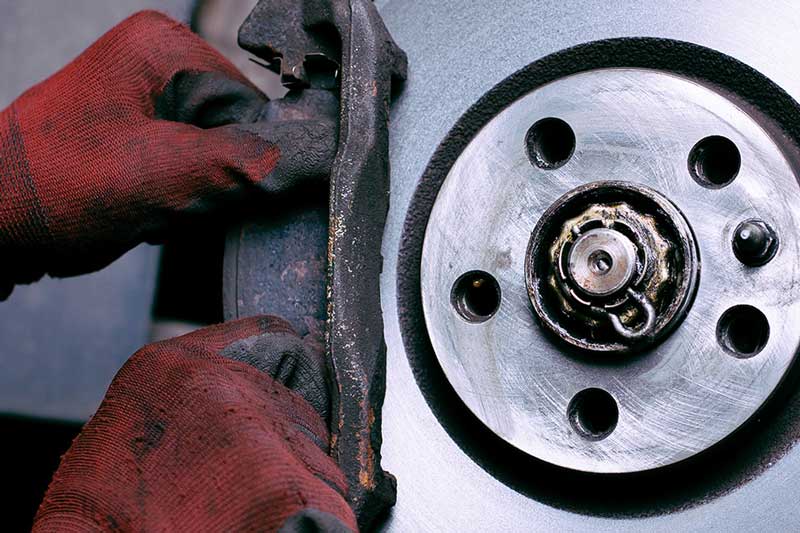
Main Brake Components
The braking system includes brake pads, rotors, calipers, lines, and the master cylinder. Each component performs a specific function, and wear on one part can affect the performance of the entire system.
Function of Brake Pads
Brake pads provide the friction material that presses against rotors to slow the vehicle. These pads sit inside the caliper. Over time, the friction material wears down. Most pads include a metal wear indicator that makes a high-pitched sound against the rotor when the material reaches a certain thickness.
Purpose of Rotors
Rotors are metal discs that rotate with the wheels. When the pedal is pressed, the pads clamp against the rotors to create friction. Rotors are typically made of cast iron. Heat cycles, worn pads, or moisture can cause warping, grooves, or rust, which may result in vibration during braking.
Caliper Operation
The caliper houses the brake pads and applies pressure to the rotor. Hydraulic pressure from the brake fluid forces a piston inside the caliper to push the pads against the rotor surface. If a caliper fails to release properly, it can cause premature wear and increased heat.
Brake Lines and Fluid
Brake lines transport fluid from the master cylinder to each caliper. This hydraulic fluid transfers force from the pedal to the wheels. Low fluid levels or leaks may cause a soft feeling in the pedal. Brake fluid also absorbs moisture, which can lower its boiling point and affect performance.
The Master Cylinder
The master cylinder converts mechanical pressure from the pedal into hydraulic pressure. It also contains the brake fluid reservoir. Symptoms of a failing master cylinder include a pedal that sinks to the floor or fluid leaks near the engine bay.
Signs of Failing Brakes
Drivers should monitor for specific warning signs. Squealing noises often indicate worn brake pads. Other signs include grinding sounds, vibration through the pedal, the vehicle pulling to one side, or warning lights on the dashboard. Increased stopping distance is also a significant indicator of potential system issues.
Inspection Frequency
Brake wear depends on driving habits and road conditions. It is standard practice to have the brakes inspected at least once a year or during every tire rotation. Those who drive in heavy traffic or on hilly terrain may require more frequent checks.
If you notice changes in braking performance, the service team at Infiniti of Ontario is available to assist. Residents of Ontario, CA, can contact Infiniti of Ontario to schedule a professional inspection and discuss necessary maintenance.
Connect with us


- July 2026
- June 2026
- May 2026
- February 2026
- January 2026
- December 2025
- November 2025
- October 2025
- September 2025
- August 2025
- July 2025
- June 2025
- May 2025
- April 2025
- March 2025
- January 2025
- December 2024
- November 2024
- October 2024
- September 2024
- August 2024
- July 2024
- June 2024
- May 2024
- April 2024
- March 2024
- February 2024
- January 2024