

Something extraordinary is unfolding
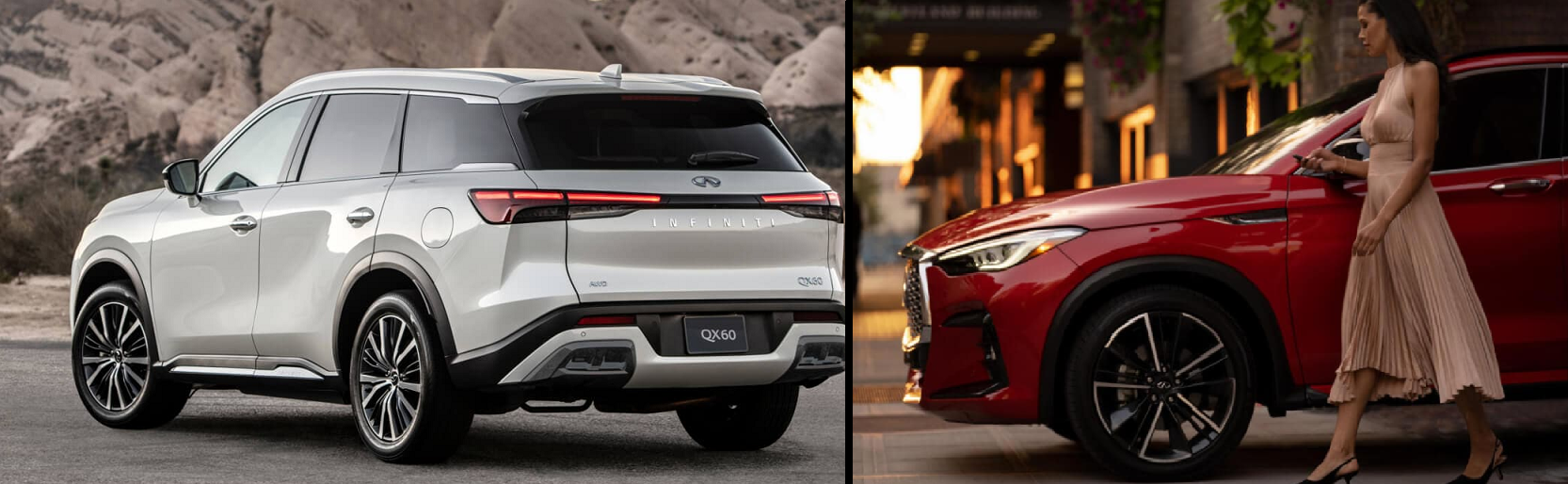
Deciding between the Infiniti QX55 and QX60 can feel like choosing between two pieces of art; each offers unique qualities, but they cater to slightly different needs and lifestyles. For residents of Ontario, CA, where drives often range from scenic routes along Euclid Avenue to fast-paced commutes on the I-10, the choice comes down to personal preference and functionality. The QX55, a refined luxury sedan, is perfect for those who prioritize space, comfort, and practicality while maintaining Infiniti’s signature sophistication. On the other hand, the QX60, with its coupe design and sporty edge, caters to those seeking a more dynamic and performance-focused ride. Whether you’re heading to the Ontario Mills Mall or cruising toward the mountains, understanding the distinct features of both models will help you decide which one fits your lifestyle better.
Comparing the Infiniti QX55 and QX60: Which is Right for You?
When it comes to luxury SUVs, Infiniti offers options that cater to various needs and lifestyles. Among its lineup, the Infiniti QX55 and QX60 stand out for their distinctive features and exceptional performance. This guide delves into what sets these two models apart, helping you determine which one best suits your requirements.
Stylish Design and Exterior Features
The Infiniti QX55 is a head-turner with its bold, coupe-inspired design. This luxury crossover SUV combines sleek aesthetics with sporty undertones, making it an ideal choice for those who want a vehicle that makes a statement. Its sloping roofline and pronounced front grille give the QX55 a dynamic edge, while the LED headlights and 20-inch wheels enhance its commanding presence on the road. Compact yet robust, the QX55 caters to urban dwellers who want style without sacrificing practicality.
The Infiniti QX60, on the other hand, embraces a more traditional SUV silhouette. It’s the choice for families or individuals needing a spacious, versatile vehicle that doesn’t compromise on luxury. Its refined exterior combines smooth lines and elegant curves, making it a sophisticated yet approachable option. Features like roof rails and a panoramic moonroof add functionality and visual appeal, while LED lighting ensures excellent visibility in any condition.
Both models reflect Infiniti’s dedication to precision and craftsmanship, but the QX55 leans toward bold individuality, whereas the QX60 emphasizes practicality and timeless elegance.
Inside the QX55, you’ll find an interior designed for driver-focused comfort and luxury. Its seating accommodates up to five passengers, making it ideal for couples, small families, or solo adventurers who prioritize premium materials and stylish design. Leather-appointed seats, ambient lighting, and a dual-screen infotainment system create a space that’s as functional as it is luxurious. While the QX55 doesn’t offer a third row, its rear cargo area is flexible enough to handle daily errands and weekend getaways.
In contrast, the QX60 is built for larger families or those needing additional space. With seating for up to seven passengers across three rows, this SUV offers a roomy and practical interior.
Features like quilted leather upholstery and wood trim elevate the cabin’s sophistication, while the second-row captain’s chairs make access to the third row seamless. The QX60’s impressive cargo space ensures that groceries, luggage, and sports equipment fit with ease, even when all seats are in use.
If you prioritize a stylish, intimate interior, the QX55 is your go-to. For those seeking maximum versatility and passenger capacity, the QX60 delivers.
Performance, Advanced Technology and Connectivity
Under the hood, the QX55 houses a turbocharged 2.0-liter four-cylinder engine with Variable Compression Technology. This engine delivers 268 horsepower and 280 lb-ft of torque, ensuring a lively and responsive drive. The QX55 features all-wheel drive as standard, enhancing its capability in various weather conditions and terrains. Its agile handling and smooth ride make it perfect for navigating city streets and curving mountain roads alike.
The QX60 takes a different approach to performance with its robust 3.5-liter V6 engine, generating 295 horsepower and 270 lb-ft of torque. Paired with a nine-speed automatic transmission, this engine ensures a smooth and confident driving experience.
Available in both front-wheel and all-wheel drive, the QX60 provides options for different driving preferences. Its suspension prioritizes comfort, making long road trips a breeze, while its towing capacity of up to 6,000 pounds adds utility for adventurous drivers.
The QX55 emphasizes sporty performance and agility, whereas the QX60 offers power and capability, particularly for families with diverse driving needs.
Technology takes center stage in the QX55, with features tailored to modern drivers. A dual-screen infotainment system integrates seamlessly with Apple CarPlay, Android Auto, and a Wi-Fi hotspot. The Bose Performance Series audio system transforms the cabin into a concert hall, ensuring that every drive is accompanied by crystal-clear sound. The QX55 also includes ProPILOT Assist, an advanced driver assistance system combining adaptive cruise control and lane-centering capabilities, providing confidence and ease on the road.
The QX60 also impresses with its technology suite, offering a 12.3-inch touchscreen display as the centerpiece of its infotainment system. Like the QX55, it supports Apple CarPlay and Android Auto, with additional navigation features tailored to family-friendly travel. The Bose sound system creates an immersive audio experience, and the available rear-seat entertainment package keeps passengers entertained during longer trips. The QX60’s ProPILOT Assist with Navi-Link enhances safety and convenience, particularly in highway driving scenarios.
Both models excel in technology, but the QX60’s family-oriented features make it slightly better suited for larger groups, while the QX55 focuses on driver-centric innovations.
Safety and Driver Assistance
Safety is paramount in the QX55, which includes a comprehensive suite of driver-assistance features as standard. Blind-spot monitoring, forward collision warning, and automatic emergency braking ensure that you’re prepared for any situation. The all-wheel drive system adds another layer of security, particularly in inclement weather or challenging terrains. The QX60 builds on Infiniti’s commitment to safety with an expanded suite of advanced driver-assistance technologies. In addition to the features found in the QX55, it offers additional tools like a surround-view monitor and front and rear parking sensors, making maneuvering in tight spaces easier. The QX60’s family-friendly focus means added peace of mind when traveling with passengers.
Fuel Efficiency and Cost of Ownership
With its turbocharged engine and compact design, the QX55 offers competitive fuel efficiency for a luxury crossover. It achieves an estimated 22 mpg in the city and 28 mpg on the highway, making it a practical option for those who value style and performance without sacrificing economy.
While larger and more powerful, the QX60 still delivers respectable fuel efficiency for its class, achieving 21 mpg in the city and 26 mpg on the highway. Its efficiency is complemented by its versatility, making it a strong choice for those who need more space but still want a cost-effective luxury SUV.
For budget-conscious drivers, the QX55 offers an edge in fuel savings. However, the QX60 balances its slightly higher fuel consumption with greater utility and passenger capacity.
Whether you’re drawn to the sporty elegance of the QX55 or the family-oriented versatility of the QX60, both models showcase Infiniti’s dedication to luxury, performance, and innovation. Each vehicle caters to specific needs, ensuring there’s a perfect Infiniti SUV for every driver.
Discover Your Infiniti in Ontario, CA
Ultimately, the best choice between the QX55 and QX60 depends on your driving needs and style. Both vehicles exemplify Infiniti’s commitment to luxury, performance, and advanced technology, making them exceptional options for anyone in Ontario looking for a premium driving experience. Picture yourself navigating the city’s vibrant streets or taking a weekend getaway to Cucamonga-Guasti Regional Park in a car that truly complements your personality and daily life. Whether it’s the spacious elegance of the QX55 or the exhilarating design of the QX60, both offer something special.
At Infiniti of Ontario, we make it simple for Ontario residents to explore and decide which vehicle matches their lifestyle best. The QX55, with its spacious sedan design and advanced technology, is ideal for daily commutes or family outings. If you’re seeking a sportier ride, the QX60 coupe brings a dynamic edge with its sleek profile and powerful engine, perfect for enjoying scenic drives near Ontario’s outdoor attractions like Cucamonga-Guasti Regional Park.
For those ready to explore their options, our New Inventory showcases the latest Q50 and QX60 models, equipped with cutting-edge features. If a budget-friendly option suits your needs, browse our Pre-owned inventory, where you’ll find high-quality, well-maintained vehicles. Need financing? Our Financing application streamlines the process, making it hassle-free to secure your dream car. And don’t forget to check out our Special Offers for the best deals in Ontario, CA.
Once you’ve narrowed down your choice, schedule a visit to our showroom and take the next step. Whether you want to Schedule a Service or Schedule a test drive of the QX55 or QX60, our friendly team is here to guide you every step of the way. From features to financing, we’re dedicated to ensuring your car-buying experience is as seamless as your drive. Explore the Infiniti difference today!

Ready to hit the slopes in your INFINITI? Whether you’re heading to Big Bear, Lake Arrowhead, or Mt Baldy, winter adventures are calling. But before you rev the engine, it’s essential to know how to navigate snowy roads safely. Snow, ice, and steep mountain drives can turn an exciting trip into a stressful one if you’re not fully prepared. Luckily, with the right vehicle and a few smart driving techniques, you can tackle the roads with confidence. In this guide, we’ll share five essential tips for driving in snow, featuring your INFINITI’s snow mode, traction control, and snow tires—perfect for any mountain drive. Ready to take on the snow? Visit Infiniti of Ontario to learn more about how the right vehicle can make all the difference this winter!
1. Prepare Your INFINITI for Winter Conditions
Before you hit the road to your favorite winter destinations like Big Bear or Lake Arrowhead, make sure your INFINITI is prepared for the snowy journey. Snow and ice can make driving challenging, but with the right preparation, your INFINITI can handle it with ease. The first step is to make sure your vehicle is equipped with the right tires. Winter or snow tires are specifically designed to provide better traction in cold, snowy conditions. Unlike all-season tires, snow tires are made with rubber compounds that stay flexible in low temperatures, allowing for better grip on slick roads. Consider upgrading your tires before heading up to Mt Baldy or Mountain High.
In addition to snow tires, your INFINITI comes equipped with features designed to improve handling in snowy conditions. One of the most valuable tools is the INFINITI Snow Mode. This special driving mode adjusts the throttle response and transmission for smoother starts and better traction when driving in snow. Whether you’re navigating through a snowstorm or driving on icy mountain roads, the Snow Mode setting ensures your vehicle handles the conditions safely. All you need to do is press the INFINITI Snow Button, and you’re ready to tackle the snow-covered roads ahead.
Another essential feature is INFINITI Traction Control. This system helps prevent wheel spin by adjusting engine power or braking to ensure all four tires maintain grip on slippery surfaces. If you find yourself driving on packed snow or icy patches, this system can make a world of difference in keeping your vehicle stable. For a model like the INFINITI Q50, traction control works seamlessly with the vehicle’s dynamic stability system, offering improved control even in challenging driving conditions.
By preparing your INFINITI with the right tires and activating these advanced driving features, you’ll be ready to safely navigate the snow and enjoy your winter adventure. Don’t let winter conditions catch you off guard—visit Infiniti of Ontario to learn more about how your vehicle can handle the snow this season. The road to your winter getaway starts with being prepared!
2. Use Your INFINITI’s Traction Control to Your Advantage
Driving in the snow can be tricky, but your INFINITI is built to handle it. The INFINITI Traction Control System is one of the most valuable features to help you stay safe on slippery roads. When you’re driving in snow or ice, it can be easy to lose control. Traction control reduces the chance of that by adjusting engine power and braking. This helps your INFINITI maintain grip on the road, even when conditions are harsh. The system works seamlessly, so you don’t have to worry about it while you’re focusing on the road.
Many INFINITI models, like the Q50, come with additional features that work with traction control to boost performance in snow. One of these is the INFINITI Snow Mode. When activated, this mode adjusts the throttle and transmission to make driving in snow much smoother. Instead of quick acceleration that could cause your tires to spin, Snow Mode limits power to prevent slippage. It’s as simple as pressing the INFINITI Snow Button. Once engaged, you’ll feel more confident as your car adapts to the snow-covered roads, giving you more control and reducing the risk of losing traction.
While INFINITI Snow Tires are ideal for winter driving, the traction control system works in tandem with them to maximize safety. Winter tires offer extra grip on ice and snow, and when combined with your INFINITI’s traction control, you’ll have even better stability. This is especially helpful when driving on packed snow or icy patches that can catch you off guard. For a car like the Q50, which has rear-wheel drive, traction control is essential. It helps keep your car stable when driving through deeper snow or during sudden turns.
In winter, your INFINITI’s traction control system is a powerful tool. By using the Snow Mode and ensuring your tires are ready for snow, you’re setting yourself up for safer drives through winter weather. If you’re unsure how to use these features, or if your INFINITI needs a check-up, visit INFINITI of Ontario. Our experts are here to ensure your car is ready for the snow and ready to go!
3. Master the Snow Button: When and How to Use It
When driving in snow, the INFINITI Snow Button is your best friend. This simple button, often located on your dashboard, activates INFINITI Snow Mode. Snow Mode is a smart setting that adjusts your car’s power delivery and transmission to handle snowy or icy roads with ease. It helps prevent your wheels from spinning and losing traction, especially when accelerating or turning on slippery surfaces. By pressing the Snow Button, your INFINITI adapts its driving behavior to provide better control in wintry conditions.
When should you use the Snow Button? It’s most useful when the roads are covered in snow, ice, or slush. If you’re driving in light snow or even heavy snowfall, engaging Snow Mode will make driving smoother and safer. The system limits the throttle response, so your car won’t suddenly jerk or spin its tires. This is especially important when you’re trying to start moving or climb hills in deep snow. The INFINITI traction control system also works in the background, helping you maintain steady progress without losing grip.
If you drive an INFINITI Q50, the Snow Button can be a game-changer. This luxury sedan, while sporty, can face challenges in winter conditions due to its rear-wheel drive. When you press the Snow Button, it makes the car more stable and less likely to slip. The INFINITI Snow Tires can enhance this further by giving you better grip, but the Snow Mode works in tandem with your tires to ensure the best possible traction. Snow Mode can also make turning and braking easier in slippery conditions, so you’ll feel more confident driving through winter storms.
In summary, the INFINITI Snow Button is designed to help you drive safely in the snow. Whether you’re in a Q50 or another INFINITI model, pressing the Snow Button adjusts key systems to maximize your stability on winter roads. It’s a simple, quick way to ensure your car is ready for snow, ice, and other winter hazards. If you’re unsure about using the Snow Button or need any advice on how to winterize your vehicle, visit INFINITI of Ontario. Our team can ensure your car is winter-ready and safe to drive.
4. Drive Smoothly and Steadily in Snowy Conditions
Driving in snow can be tricky, but with the right approach, you can stay in control. INFINITI Snow Mode is an excellent feature to help you drive smoothly and steadily through winter conditions. When activated, it adjusts the vehicle’s throttle and transmission. This ensures that your car doesn’t make sudden jerks or spin out of control on icy roads. For optimal traction, press the INFINITI Snow Button before you start driving. It will make the ride smoother and help you maintain control, especially when accelerating or turning.
Another important factor is INFINITI snow tires. These tires are designed specifically for winter conditions. They have deeper treads and are made with a special rubber compound that stays soft in cold temperatures. This helps your car grip the road better, even when it’s covered in snow or ice. Whether you’re driving your INFINITI Q50 or another model, snow tires provide better traction than all-season tires. They are essential if you live in areas with frequent snow or ice. When paired with the INFINITI traction control system, your car will be able to handle snow-covered roads much more safely.
In addition to using INFINITI Snow Mode and snow tires, driving steadily is key. Avoid sudden movements, like quick acceleration or sharp turns. These can cause your tires to lose grip, leading to slides. Instead, drive with a light touch on the gas pedal. Gradually accelerate and decelerate. This smooth driving technique will help your car maintain control in the snow. If your INFINITI Q50 has all-wheel drive, it will provide even more support in snowy conditions. But remember, steady driving is still essential. Keeping a safe distance from other vehicles and being cautious on turns will ensure a safer and smoother ride.
In conclusion, smooth and steady driving in snowy conditions is about the right combination of technology and technique. By using INFINITI Snow Mode, snow tires, and traction control, you can drive with confidence through winter weather. Take your time, avoid sudden movements, and always press the INFINITI Snow Button when needed. If you’re ready to ensure your vehicle is prepared for the winter, visit INFINITI of Ontario today. Our team can help you get your car winter-ready and offer advice on how to drive safely in snowy conditions.
5. Stay Safe in the Mountains: Snowy Road Awareness
Driving in the mountains during the winter can be both beautiful and challenging. Snowy roads are common in higher elevations, and conditions can change quickly. To stay safe, it’s important to be prepared. Your INFINITI Q50 is designed to handle tough conditions, but knowing how to use its features properly is key. Before hitting the road, make sure your car is ready for the mountains. INFINITI snow tires are a must for winter driving, as they provide extra grip on slippery, snow-covered roads. These tires are designed to perform well even in freezing temperatures, giving you added control when you need it most.
When driving through mountainous areas, remember to activate your INFINITI Snow Mode. This feature adjusts the vehicle’s throttle response, making it easier to drive in slippery conditions. It helps reduce the chances of losing control when accelerating or driving on icy roads. If your INFINITI Q50 has the INFINITI Snow Button, use it for enhanced stability. It allows the car to start in second gear, which is gentler on the wheels and reduces the chances of spinning out. This is especially helpful on steep and winding mountain roads, where traction is key.
In addition to using the right tires and activating the right modes, staying alert is essential. INFINITI traction control can help you stay in control when roads are slick, but it’s also important to adjust your driving style. Drive slowly and smoothly, avoiding sudden movements. Be cautious when approaching curves or downhill sections, as snow and ice can make these areas tricky. Always keep a safe distance from other vehicles, as stopping distances are longer in snow. Your INFINITI Q50 has the tools you need to stay safe in the mountains, but using them wisely and being aware of your surroundings is equally important.
In conclusion, driving on snowy mountain roads requires both preparation and awareness. By using INFINITI snow tires, Snow Mode, and traction control, you can drive with more confidence in challenging conditions. Make sure to take it slow, keep your distance, and stay aware of changing road conditions. If you need assistance in preparing your INFINITI Q50 for the mountains, visit INFINITI of Ontario. Our team will ensure your vehicle is ready to handle the snow and keep you safe on your winter adventures.
FAQs About The Snow Mode in INFINITI Cars
1. Does INFINITI have a Snow Driving Mode?
Yes, INFINITI vehicles are equipped with a Snow Mode that adjusts throttle response for better control on snowy or slippery roads. This mode helps prevent wheel spin and provides smoother acceleration in winter conditions.
2. How do you activate Snow Mode on your INFINITI?
To activate Snow Mode in most INFINITI vehicles, simply press the Snow Button, typically located on the center console. This will adjust your vehicle’s performance to optimize traction on snow or ice-covered roads.
Conquering the Snow-covered Roads With INFINITI of Ontario
As you hit the slopes this winter, make sure your INFINITI is ready for the journey. Whether you’re heading to Big Bear, Mt. Baldy, Lake Arrowhead, or Mountain High, we invite you to explore our wide selection of vehicles. From the stylish Q50 to other premium models, we have options that fit your needs. Visit INFINITI of Ontario to learn more about how our vehicles perform in snowy conditions.
While you’re in INFINITI of Ontario, take a look at some helpful resources to make your driving experience even better. If you have a family, be sure to check out our Child Car Seat Installation Guide: Ensuring Your Child’s Safety in Ontario, CA, which will help you secure your little ones on the road. You can also learn more about INFINITI’s Safety Suite and how it ensures your protection in Ontario, CA. And if you’re looking for a used vehicle, don’t miss our Used Car Buying Guide for Ontario Shoppers, which offers tips for making the right choice.
To learn more about how you can drive safely and comfortably through winter, visit INFINITI Tire Advantage. Feel free to reach out to us with any questions about your next adventure or vehicle needs!
Get Directions to Infiniti of Ontario
Disclaimer: All information is provided for general informational and entertainment purposes only. While we strive for accuracy, we cannot guarantee that all content is complete, current, or error-free. Any reliance you place on such information is strictly at your own risk. This article may include opinions and is not endorsed by, or officially affiliated with, any vehicle manufacturer or brand. Always consult official sources – such as the vehicle’s owner’s manual, authorized dealerships, or certified professionals – for the most up-to-date and personalized information.
7 Shopping Destinations Near Ontario California

Ontario, California is a shopping haven, offering everything from upscale outlets to unique local finds. Whether you’re looking for a bargain at Ontario Mills or indulging in luxury at Nordstrom Rack, this city has something for every shopper. And while you’re exploring these fantastic destinations, why not elevate your shopping experience by cruising through town in a sleek QX50, QX55, or the spacious QX80? These vehicles are the perfect companions for your day of retail therapy. Ready to shop ’til you drop? Visit Infiniti of Ontario today or contact us to learn more about our stunning luxury cars and deals!
1. Discover Ontario Mills: A Shopper’s Paradise
Ontario Mills is the ultimate shopping destination for anyone in Southern California. With over 200 stores, it’s the largest value shopping center in the state. Whether you’re hunting for the latest fashion trends, unique home goods, or a great deal on electronics, Ontario Mills has it all. You’ll find everything you need under one roof, and the best part? It’s just a short drive from Ontario Infiniti cars. Imagine pulling up in a stylish QX50 or QX55, making a bold statement as you head into the mall for a fun day of shopping.
Ontario Mills is more than just a mall; it’s a place where shopping dreams come true. For those who love a good deal, the center is packed with outlet stores offering Ontario deals on popular brands like Nike, Coach, and Michael Kors. If you’re searching for high-end fashion, don’t miss the luxury stores that dot the mall. Whether you’re after designer handbags or chic apparel, there’s no shortage of options. While you shop, let your Ontario luxury car dealer help you explore how a QX80 can elevate your shopping experience. With its spacious interior, you can fill the trunk with all your latest finds.
After a few hours of retail therapy, it’s nice to relax and enjoy all the shopping rewards. That’s why Ontario Mills is perfect for those who appreciate both style and comfort. Grab a bite to eat at one of the mall’s many food courts, or take a moment to unwind in one of the open areas. Whether you’re coming in for a quick trip or planning a full shopping day, Ontario Mills offers the perfect balance of fun, convenience, and great deals. And with a luxury ride like the QX55 from Infiniti of Ontario, you’ll experience shopping in a whole new way. Ready for your next shopping adventure? Visit or contact us at Infiniti of Ontario and discover how our cars can make your shopping experience even better!
2. Experience Unique Finds at Treasures N Junk
If you’re looking for something one-of-a-kind, Treasures N Junk is the place to be. Located just a short drive from Infiniti of Ontario, this antique shop is filled with unique treasures waiting to be discovered. From vintage furniture to quirky décor, you can find pieces that add personality to your home or office. Whether you’re a seasoned collector or just starting your search for something special, this store offers something for everyone. And after exploring the treasures inside, you can continue your adventure in style with a luxurious ride like the QX50 or QX80.
Ontario shopping takes on a different vibe at Treasures N Junk, where the hunt for rare finds is part of the fun. The shop offers a variety of antiques, vintage jewelry, and unique collectibles. If you’re on the lookout for Ontario deals, you’re in for a treat. The prices here are reasonable, and you’ll often find hidden gems that others might miss. The best part is that this shop’s inventory changes regularly, so each visit feels like a new adventure. And while you’re out treasure hunting, why not treat yourself to a ride that matches your style? A QX55 from Ontario Infiniti cars will ensure you arrive in comfort and elegance.
After you’ve scored the perfect piece, take a moment to relax and appreciate your find. The friendly staff at Treasures N Junk will gladly offer you tips on how to best care for your antiques, ensuring your purchase lasts for years. Whether you’re just browsing or on a mission to find something specific, you’ll always leave feeling satisfied. Plus, with Ontario car shopping at Infiniti of Ontario, you can explore the best vehicles to match your lifestyle. From the spacious QX80 to the sleek QX50, we have the perfect luxury car to accompany your day of unique shopping experiences. Ready to start your adventure? Visit us today!
3. Target: Affordable Shopping with a California Twist
When you’re looking for Ontario shopping that balances both convenience and value, Target is a must-visit. This popular department store is known for offering affordable options for everything from clothing to home goods. Whether you’re picking up essentials, discovering new fashion trends, or stocking up on groceries, Target has something for everyone. Best of all, you’ll find great Ontario deals that make it easy to shop on a budget while still getting high-quality products. Plus, its easy-to-navigate layout means you’ll spend less time searching and more time shopping.
For those who want to make a day of it, Target is just a short drive from Infiniti of Ontario, where you can explore some of the finest Ontario Infiniti cars. From the luxurious QX50 to the sporty QX55, our showroom is filled with vehicles that match your lifestyle. Shopping at Target is about finding what you need without breaking the bank, but when it comes to upgrading your ride, a visit to our dealership will give you access to deals that can’t be beat. Imagine pulling into the parking lot of your favorite Target in the spacious QX80—luxury, comfort, and style all in one.
While you’re out shopping for the best Ontario car shopping deals, don’t forget to stop by Target’s California-inspired sections. From beach-ready apparel to seasonal décor, there’s always something that reflects the laid-back California vibe. And after you’ve completed your shopping, reward yourself with a drive in the luxurious QX50, which will take you home in style. Whether you’re browsing for everyday items or looking to treat yourself to something new, Target offers the perfect mix of affordability and fun. With Ontario Infiniti cars, we make it even easier for you to enjoy a luxurious shopping experience. Ready for a day of shopping? Visit Infiniti of Ontario and make your shopping trip even better!
4. Nordstrom Rack at Ontario Mills: Designer Deals on a Budget
If you love designer brands but don’t want to pay full price, Nordstrom Rack at Ontario Mills is the place for you. Located just a short drive from Infiniti of Ontario, this store offers fantastic savings on top-tier brands in clothing, shoes, accessories, and more. With its wide selection of high-end items at discounted prices, it’s easy to find something that fits both your style and your budget. Ontario shopping has never been so exciting, especially when you’re hunting for designer deals without the designer price tag.
Nordstrom Rack is known for offering great Ontario deals on a variety of styles, making it a favorite spot for savvy shoppers. Whether you’re looking for a new wardrobe for the season or upgrading your home essentials, there’s always something new to discover. The best part? You can easily shop for your favorite brands at prices that can’t be beaten. After a successful shopping spree, why not treat yourself to a luxury drive in a vehicle like the QX55? As you pull out of the parking lot in your stylish Ontario Infiniti car, you’ll feel like a million bucks.
Once you’ve finished shopping for your new wardrobe or home essentials, visit Infiniti of Ontario to check out our luxury vehicles. Our Ontario car shopping experience is designed to make finding the perfect car as easy as finding the perfect outfit at Nordstrom Rack. Whether you’re eyeing the spacious QX80 or the sleek QX50, we offer a variety of Ontario Infiniti cars to match your lifestyle. With so many Ontario deals available on both designer fashion and luxury vehicles, it’s the perfect time to treat yourself to the best of both worlds. Ready for a day of designer shopping and a luxury ride? Stop by Infiniti of Ontario and experience it all!
5. Graber Olive House: A Taste of California’s Heritage
For a truly unique experience, visit Graber Olive House, a local gem that offers a taste of California’s rich agricultural history. Located just a short drive from Infiniti of Ontario, Graber Olive House has been producing premium olives since 1894. This family-owned business provides visitors with the opportunity to learn about the olive industry while tasting some of the finest olives and olive products available. It’s a great stop for anyone looking to experience Ontario shopping with a little California heritage on the side.
While you’re visiting Graber Olive House, don’t miss the chance to pick up special products that are exclusive to the region. It’s the perfect place to find gifts or to treat yourself to a locally-made product that reflects the culture and history of Ontario. After enjoying some local flavor, continue your Ontario car shopping experience by stopping by Infiniti of Ontario. Our showroom features a selection of Ontario Infiniti cars, including the luxurious QX50, stylish QX55, and spacious QX80. Whether you’re looking to upgrade your ride or just enjoy a test drive, our dealership offers a smooth transition from your shopping adventure to your new luxury car.
Visiting Graber Olive House and exploring the Ontario deals in the area can easily be paired with a visit to our dealership. After indulging in the unique flavors of California’s olive-growing tradition, imagine stepping into a luxury Ontario Infiniti car like the QX50. The drive home will be just as satisfying as the time spent shopping and exploring. Whether you’re out shopping for olives, looking for the latest Ontario deals, or browsing for a luxury vehicle, Infiniti of Ontario has you covered. Let us help you find your perfect ride, just as you found the perfect olive oil!
6. Explore the Latest Trends at Uniqlo Ontario Mills
Looking for the latest fashion trends at affordable prices? Uniqlo Ontario Mills has everything you need! Located within the vibrant Ontario Mills shopping center, Uniqlo is the perfect place to refresh your wardrobe. Whether you’re after stylish basics, comfy outerwear, or innovative fabrics, this store offers something for everyone. Uniqlo brings a unique twist to Ontario shopping, combining modern design with practicality to make everyday dressing a breeze.
After you’ve scored your latest fashion finds, it’s time to take a quick detour to explore some of the Ontario deals near you. Infiniti of Ontario is just a short drive away, offering a fantastic selection of Ontario Infiniti cars like the sleek QX50, the bold QX55, and the spacious QX80. Imagine stepping out of Uniqlo’s stylish atmosphere and into one of these luxury vehicles, where your fashion-forward lifestyle continues. The QX50’s elegance and advanced features make it the perfect match for your new wardrobe, while the QX55 offers a stylish edge that complements your dynamic lifestyle.
Shopping at Uniqlo is not just about clothing; it’s about embracing the trends that fit your life. Pair your Ontario shopping adventure with an equally stylish Ontario car shopping experience. At Infiniti of Ontario, we’re here to help you find the perfect car that fits your unique style. Whether you’re considering the spacious QX80 or the compact and luxurious QX50, our Ontario luxury car dealer team is ready to help you find a car that matches your high standards. So, after exploring the latest fashion trends at Uniqlo, stop by Infiniti of Ontario to check out the perfect Infiniti vehicle to match your upgraded look. Your shopping day will be complete with both the latest fashion and a new luxury car!
7. Kohl’s: A Local Favorite for Bargain Shoppers
For those who love a good deal, Kohl’s in Ontario is a must-visit. This local favorite offers everything from trendy clothing to home essentials, all at affordable prices. Whether you’re looking for a new wardrobe, stylish shoes, or some home décor, Kohl’s has something for every shopper. You’ll be amazed by the selection and the savings you can find. It’s a prime spot for Ontario shopping, especially when you’re on the hunt for great Ontario deals.
Once you’ve scored your amazing finds at Kohl’s, it might be time to upgrade your ride. If you’re in the mood for a luxurious upgrade, head to Infiniti of Ontario for a wide selection of Ontario Infiniti cars. From the sleek QX50 to the sporty QX55 and the family-friendly QX80, you’ll find the perfect vehicle to match your lifestyle. After shopping for deals at Kohl’s, imagine sliding into the driver’s seat of a beautiful QX55. With its stylish design and top-tier features, it’s the ideal vehicle to match your fashion-forward mindset.
When it comes to Ontario car shopping, Infiniti of Ontario is your destination for Ontario luxury car dealer experiences. Kohl’s gives you the chance to refresh your closet, while Infiniti of Ontario helps you elevate your driving experience. Whether you’re cruising in a luxurious QX80 or a sleek QX50, these vehicles bring comfort and class to your daily drive. Combine the thrill of bargain shopping with the luxury of a new Infiniti vehicle, and you’ll feel like you’re living the best of both worlds!
Enjoy A Shopping Spree at Ontario, California
After enjoying all the shopping Ontario has to offer, why not treat yourself to a new car that suits your style? At Infiniti of Ontario, we have an extensive selection of new and pre-owned vehicles for you to explore. Whether you’re interested in the stylish QX50, the dynamic QX55, or the spacious QX80, we have the perfect luxury vehicle to elevate your daily commute. Visit us and discover why Ontario Infiniti cars are a top choice for those seeking performance and sophistication.
If you’re ready to take the next step, be sure to explore our new and pre-owned vehicles inventory to find your ideal vehicle. Whether you’re browsing for a brand-new Infiniti or a pre-owned option, we have options that meet your needs and budget. Plus, our team is here to help you explore all your financing options. Don’t miss out on the benefits of financing through Infiniti of Ontario—we’ll guide you through every step of the process.
For more details, you can always reach out to us with questions. If you’re ready to get started, apply for Infiniti financing in Ontario today and drive home in the car of your dreams. The Ontario shopping experience may have ended, but your journey with Infiniti of Ontario is just beginning!

Ontario, California, or Ontario, Canada – which came first? It’s a question that sparks curiosity and a bit of rivalry between two regions that share a name but boast very different histories. While Ontario, California, stands as a vibrant city in Southern California, known for its thriving economy and proximity to Los Angeles, Ontario, Canada, is a province with centuries of cultural depth and a fascinating colonial past.
As we dive into the origins of both places, it’s clear that the history of Ontario, Canada, dates back long before the founding of its Californian namesake. But how did two such distinct locations end up sharing the same name? Let’s explore this geographical mystery!
At Infiniti of Ontario, we’re proud to be part of the rich history of Ontario, California, offering the luxury and innovation you deserve in vehicles like the Infiniti QX80, Q50, and QX60. Whether you’re exploring Ontario cars for sale or looking for a reliable Ontario car dealer, we’re here to provide a top-tier experience. So, let’s dive in and uncover the origins of these two fascinating Ontarios!
The Story Behind Ontario, Canada: Land of “Sparkling Water”
Ontario, Canada, has a rich history tied to its very name. The name “Ontario” originates from the Iroquois word kanadario, which translates to “sparkling water.” This description refers to the shimmering waters of Lake Ontario, one of the five Great Lakes. The area around the lake was first explored by European settlers in the early 1600s, but the name Ontario had been used for centuries by the Indigenous peoples of the region. It reflects their deep connection to the land and the water that nourished them.
The first recorded use of the name Ontario appeared in 1641 when it was applied to describe the land around the eastern shore of Lake Ontario. By the late 1700s, the British had expanded their influence in the region. In 1791, Ontario became one of the two founding provinces of Canada, alongside Quebec, under the Constitutional Act. From then on, Ontario was established as a British colony, a designation that would remain until Canada’s confederation in 1867.
Ontario’s name, symbolizing its relationship with nature and water, has lasted for centuries. It is fitting that today, Ontario, Canada, is known for its vast lakes, rivers, and the cultural richness that has grown from its geographical roots. Whether you’re exploring the region’s natural beauty or seeking out an adventure, it’s clear that the name reflects its legacy as a place of great importance. At Infiniti of Ontario, we are proud to serve the Ontario community in Southern California. We offer a variety of vehicles, including the sleek and luxurious QX80, the refined QX60, and the sporty Q50. If you’re looking for Ontario cars for sale, or you’re seeking a trusted Ontario car dealer, Infiniti of Ontario is your go-to destination.
Our Infiniti dealer in Ontario provides a level of service that reflects the quality of the vehicles we offer. Whether you’re in the market for a brand-new Infiniti or searching for an Ontario used car dealer to find a pre-owned model, we have options that fit your needs. From the power and presence of the QX80 to the efficiency of the QX50, our inventory offers a selection for every lifestyle. Visit Infiniti of Ontario today and discover why we’re the preferred dealer in this great region!
Ontario, California: A City with Ambitious Roots
Ontario, California, has a history steeped in ambition and growth. Founded in 1882, the city was originally named after Ontario, Canada. The founders were inspired by the fertile land and the promise of a vibrant agricultural economy. They saw a bright future in citrus farming and irrigation. The city’s early roots were deeply tied to agriculture, but over the years, Ontario evolved into a thriving urban center. Today, Ontario is a dynamic city with a bustling economy, driven by its strategic location and commitment to innovation.
Ontario’s transformation from a small farming town to a major city is nothing short of impressive. The city sits in the heart of Southern California, conveniently located near major highways and airports. This prime location has made Ontario a key player in trade and commerce. The city is home to the Ontario International Airport, one of the fastest-growing airports in the region. Additionally, its close proximity to Los Angeles makes Ontario an ideal spot for businesses and residents alike. This continued growth has led to a high demand for both residential and commercial spaces, as well as a need for reliable, stylish vehicles to match the city’s modern vibe.
At Infiniti of Ontario, we’re proud to be part of this vibrant community. As your trusted Infiniti dealer in Ontario, we offer a wide range of luxury vehicles designed to complement the city’s ambitious spirit. Whether you’re interested in the bold and commanding QX80, the stylish and versatile QX60, or the dynamic and sleek Q50, our dealership has something for every driver. If you’re searching for Ontario cars for sale, or exploring options through an Ontario used car dealer, we have a variety of new and pre-owned models to suit your needs. Visit Infiniti of Ontario today to experience the excellence that defines both our vehicles and our community.
Comparing Two Ontarios: Geographic and Cultural Differences
Ontario, Canada, and Ontario, California, share a name, but they are very different in terms of geography and culture. Ontario, Canada, is the second-largest province in the country. It is known for its vast forests, beautiful lakes, and cold winters. With the Great Lakes nearby, Ontario, Canada, offers stunning natural landscapes, making it a popular destination for outdoor enthusiasts. The province is also home to major cities like Toronto and Ottawa, which are bustling hubs of business, culture, and government.
In contrast, Ontario, California, is a sunny city located in the heart of Southern California. Unlike its Canadian namesake, Ontario, California, has a warm desert climate, with hot summers and mild winters. The city has a much smaller population, but it has grown rapidly due to its central location. Ontario, California, is an important business and logistics center because of its proximity to major highways, the Ontario International Airport, and Los Angeles. The city’s cultural landscape is influenced by the rich diversity of the region, with a strong focus on innovation and commerce.
When it comes to lifestyle and transportation, the two Ontario’s also differ. In Ontario, Canada, people rely heavily on public transportation in major urban areas like Toronto. However, in Ontario, California, most residents use personal vehicles for commuting. This makes having a reliable car even more important. If you are in the market for a stylish and dependable vehicle, consider visiting an Infiniti dealer in Ontario. Infiniti of Ontario offers a wide selection of luxury cars, including the powerful QX80, the versatile QX60, and the sporty Q50. Whether you’re looking for new or used cars for sale, our Ontario car dealer has something to suit your needs. Stop by today and drive away in the perfect vehicle for your California lifestyle.
The Canadian Ontario: More Than Just a Name
Ontario, Canada, is more than just a province—it’s a land of rich history and natural beauty. The name “Ontario” comes from the word “ontari:io,” meaning “beautiful lake” in the native Iroquoian language. This is fitting, given that Ontario is home to some of the largest and most stunning lakes in the world, including the famous Great Lakes. The province’s vast forests, peaceful countryside, and iconic landmarks make it a must-visit destination for anyone who loves the outdoors. Whether you’re hiking in the forests or exploring the shores of Lake Ontario, there’s something for everyone to enjoy.
Culturally, Ontario is a diverse melting pot. It’s home to over 13 million people, with cities like Toronto and Ottawa leading the way. Toronto is the largest city in Canada and a global hub for business, arts, and culture. The city boasts a vibrant theater scene, exciting festivals, and a diverse culinary landscape. It’s also a place where different cultures mix, making it a dynamic and thriving metropolis. Whether you’re enjoying a local concert, visiting museums, or attending a multicultural event, there’s always something happening in Ontario.
Although Ontario, Canada, is far from Southern California, its name brings to mind similar concepts: community, exploration, and opportunity. If you are in Ontario, California, and looking for a car that reflects these same qualities, visit an Infiniti dealer in Ontario. Our dealership offers an exceptional selection of vehicles, from the luxury QX80 to the sleek Q50 and the family-friendly QX60. Whether you are looking for a new or used car for sale, our Ontario car dealer has you covered. Stop by today and explore the variety of options available at our dealership—just as Ontario, Canada, offers something for everyone, so does Infiniti of Ontario.
The California Ontario: A Modern Automotive Epicenter
Ontario, California, is a bustling hub for everything automotive. Located in the heart of Southern California, it’s home to a thriving car market. The city has become a key player in the auto industry, with numerous dealerships offering a wide range of vehicles. Whether you are looking for brand-new cars or used options, Ontario cars for sale are easily accessible. From luxury to economy models, there’s something for every driver in this vibrant city.
As a proud part of California’s automotive scene, Ontario is also home to several premier car dealerships. For those in search of an exceptional driving experience, Infiniti dealers in Ontario offer some of the best vehicles on the market. With stunning models like the Infiniti QX80, QX60, and the sleek Q50, it’s easy to find a car that suits your needs and lifestyle. Whether you’re in the market for a spacious family SUV, a high-performance sedan, or a luxurious crossover, Ontario car dealers provide an array of choices.
Ontario is also known for its reliable used car dealers, offering great options at competitive prices. If you’re looking for a trusted Ontario used car dealer, there are many reputable locations to explore. A used car can offer significant savings while still providing excellent quality. With a wide selection of pre-owned vehicles, from compact cars to SUVs, you can easily find a car that matches your preferences and budget. Whether you’re interested in a new or used model, Ontario is the place to find your perfect ride. At Infiniti of Ontario, we are proud to offer a variety of cars that combine performance, style, and reliability, ensuring you drive off with the best option for your needs.
Ontario: More Than Just a Name—A City, a Province, and a Lifestyle
The name Ontario might bring two places to mind: Ontario, Canada, and Ontario, California. Both share the same name but offer vastly different experiences. Ontario, Canada, is a province known for its natural beauty, bustling cities, and rich cultural history. In contrast, Ontario, California, is a vibrant city in Southern California, offering a dynamic lifestyle centered around the automotive industry. These two locations, while separated by distance, share a common spirit of growth, progress, and opportunity.
In Ontario, California, cars are more than just a means of transportation; they represent a way of life. With Ontario cars for sale readily available, the city has become a key destination for those seeking their next ride. Whether you’re interested in luxury, performance, or practicality, an Ontario car dealer can help you find the perfect match. From the elegant Infiniti QX80 to the sleek Q50 and the spacious QX60, Ontario is home to some of the best vehicles on the market. As a trusted Infiniti dealer in Ontario, we are proud to offer a wide range of options to suit any driver’s needs and preferences.
Ontario is also known for its diverse automotive options, including many reputable used car dealers. Whether you’re seeking a pre-owned luxury vehicle or a more budget-friendly option, an Ontario used car dealer can offer the perfect solution. The city’s wide selection of vehicles ensures that no matter your budget, there is a car for you. From dependable sedans to versatile SUVs, Ontario is a great place to find a car that fits your lifestyle. At Infiniti of Ontario, we specialize in offering top-quality new and used vehicles that provide both style and reliability for every driver.
Conclusion
As you’ve learned, Ontario has a unique history, both in Canada and California. While the two share the same name, their cultures, lifestyles, and offerings differ greatly. If you’re in Ontario, California, and looking to explore the local automotive scene, look no further than Infiniti of Ontario. Whether you’re considering the sleek Infiniti QX80, the stylish Q50, or the versatile QX60, we offer an impressive range of vehicles to suit any lifestyle. Take a look at ourcurrent inventory and discover your next car today.
If you’re planning to trade in your current vehicle, don’t forget to check out our previous blog post on How to Prepare Your Car for Trade-In at Infiniti of Ontario or What Affects Your Car’s Trade-In Value? to help you make an informed decision. Proper preparation can make a big difference in the value of your trade-in. Also, for those interested in upgrading to the QX60, be sure to read about the Top 5 Reasons to Buy the Infiniti QX60 in Ontario, CA to learn why this vehicle stands out in the Ontario automotive market.
At Infiniti of Ontario, we’re here to make your car-buying experience as seamless as possible. If you’re ready to take the next step, contact us for more information or to schedule a test drive. Whether you’re browsing for a new or pre-owned car, our friendly team is here to guide you. Start exploring today and find the perfect Infiniti for you!

When it comes to choosing a luxury SUV that combines power, sophistication, and cutting-edge features, the 2025 INFINITI QX80 and the 2025 Nissan Armada are two contenders worth exploring. While both vehicles share a reputation for performance and reliability, they cater to different lifestyles and preferences. Are you drawn to the QX80’s elevated elegance or the Armada’s rugged versatility? Let us help you decide which SUV best fits your needs. Visit or contact INFINITI of Ontario today to experience the QX80 firsthand and discover why it could be the perfect fit for your next adventure!
Design Differences: Sophistication or Rugged Practicality?
The 2025 INFINITI QX80 stands out with a design that exudes elegance and luxury. Every angle is carefully crafted to make an impression, from its sleek, flowing lines to the shiny chrome accents. The bold front grille and signature LED headlights demand attention as you drive down the road. Inside, the cabin offers a refined, high-end experience with premium materials like Nappa leather and soft-touch finishes. Whether you’re sitting in the front or the third row, every seat is designed for maximum comfort. If sophistication is what you’re after in a family SUV, the QX80 is hard to beat. It’s no wonder why many consider it the best INFINITI SUV.
In contrast, the 2025 Nissan Armada focuses more on ruggedness and durability. Its design is built to withstand the toughest conditions, with a solid frame and larger wheel options that emphasize its off-road capability. The bold, strong exterior makes it clear that this SUV is ready for adventure. Inside, the Armada offers a more utilitarian approach, with a mix of durable materials and practical features suited for active families. While it doesn’t have the same level of luxury as the QX80, it provides a functional, straightforward design. For families who prioritize practicality over high-end refinement, the Armada is a great choice.
When deciding between the INFINITI QX80 and the Nissan Armada, it ultimately comes down to your preferences in design. If you’re drawn to luxury and elegance, the QX80 offers a sophisticated look and feel that sets it apart. Its sleek exterior and premium interior are a true testament to INFINITI’s commitment to luxury. On the other hand, if you value rugged practicality and durability, the Armada’s design is perfect for handling outdoor adventures and tough terrain. Regardless of which SUV you choose, both deliver on their promise of style and performance. Visit your local QX80 dealer in Ontario to explore the INFINITI QX80 for sale and see why it’s the ideal family SUV. For those looking for a more rugged SUV, the Nissan Armada offers a strong, practical option.
Technology Showdown: Cutting-Edge or Family-Friendly?
The INFINITI QX80 is designed for modern drivers who value the latest in advanced technology. It comes equipped with a large, high-resolution touchscreen that delivers crisp graphics and fast response times. The intuitive navigation system ensures you never miss a turn, while wireless charging keeps your devices powered during every drive. For families, the rear-seat entertainment system is a standout feature. It offers dual screens and wireless headphones, keeping kids entertained on long trips and helping to make every ride stress-free. If you’re searching for the best INFINITI SUV, the QX80 offers a luxury experience that’s packed with tech-savvy features.
In comparison, the Nissan Armada takes a simpler approach to technology. While its infotainment system may not be as luxurious or advanced as the QX80’s, it still provides a smooth user experience. The system is easy to navigate, and the large display makes it easy for drivers to access key features. Multiple USB ports allow passengers to stay connected throughout the ride, which is perfect for long family road trips. The Armada also offers Bluetooth and smartphone integration, keeping everyone in touch with their devices. While it doesn’t have the QX80’s high-end touches, it’s still a reliable and functional option for families.
When it comes to choosing between the INFINITI QX80 and the Nissan Armada, it all comes down to what matters most to you. Are you looking for cutting-edge, luxury tech, or are you more interested in straightforward, family-friendly features? The QX80 offers a range of advanced technologies, from its premium infotainment system to its entertainment options, making it perfect for those who want a tech-savvy ride. If you value simplicity, the Armada is an excellent choice. To experience the technology in an INFINITI QX80 for sale, visit your local QX80 dealer in Ontario today. With plenty of INFINITI SUVs for sale, you’ll find the perfect vehicle that matches your needs.
Performance That Matches Your Lifestyle
The INFINITI QX80 delivers the perfect combination of power and grace. Equipped with a robust V8 engine that generates 400 horsepower, it’s designed to handle a variety of challenges with ease. Whether you’re towing a heavy trailer, merging onto a fast-moving highway, or navigating steep inclines, the QX80 performs effortlessly. The smooth and responsive transmission ensures a comfortable and quiet ride, even at higher speeds. Its refined performance sets it apart from other luxury SUVs, making it a top contender for anyone searching for the best INFINITI SUV. The QX80’s ability to balance power with grace gives it an edge over competitors in its class, making it a standout in terms of performance.
Beyond sheer power, the QX80 offers remarkable versatility. It’s not just a luxury vehicle—it’s a true family SUV. The QX80 comes equipped with an available four-wheel-drive system, providing confidence in all types of driving conditions. Whether you’re driving through wet roads, rugged terrain, or heading up into the mountains for an off-road adventure, the QX80 is equipped to meet your needs. This added capability ensures that you don’t have to compromise on performance, no matter the environment. With its advanced handling features, including precise steering and stability control, the QX80 offers exceptional control and stability, making every drive feel smooth and confident. Whether you’re navigating tricky terrain or cruising along highways, the QX80 adapts effortlessly, ensuring that you can handle any challenge with ease. Visit a trusted QX80 dealer to see firsthand how this SUV combines luxury with rugged capabilities.
The INFINITI QX80 also stands out for its quiet, refined ride. While other SUVs may offer similar power, the QX80 excels in delivering a serene driving experience. Its sophisticated suspension system and refined engineering create a perfect balance of performance and comfort. Whether you’re navigating city streets, cruising on highways, or taking a family road trip, the QX80 handles it all with finesse. It provides a driving experience that’s as luxurious as it is capable, ensuring that both short trips and long journeys are equally enjoyable.
While the 2025 INFINITI QX80 emphasizes a seamless blend of luxury and performance, the 2025 Nissan Armada introduces a new level of power and capability that challenges its competitors. With a twin-turbo V6 engine generating an impressive 425 horsepower and 516 lb-ft of torque, the Armada surpasses the QX80’s 400-horsepower V8 in raw output. Additionally, the Armada’s towing capacity reaches up to 8,500 lbs., comparable to the QX80, but enhanced with features like Trailer Sway Control and Trailer Back-Up Assist for smoother handling. Where the QX80 excels in ride refinement and interior luxury, the Armada focuses on rugged capability, offering Intelligent 4WD with terrain modes and off-road enhancements like skid plates and an electronic locking differential. These features make the Armada a compelling choice for adventurous drivers, though the QX80’s focus on balanced luxury ensures its dominance in comfort-oriented performance
For families, professionals, or anyone in search of an INFINITI SUV for sale, the QX80 delivers a performance package that seamlessly blends luxury, strength, and utility. The QX80 is the ultimate choice for those who desire power, comfort, and versatility in one sophisticated package. Explore an INFINITI QX80 for sale today and experience the performance that fits your lifestyle perfectly.
Comfort and Space: Which SUV Fits Your Family?
When searching for the perfect family SUV, comfort and space are key factors to consider. The INFINITI QX80 excels in both areas, offering ample room for everyone on board. With seating for up to eight people, this SUV ensures that there’s enough space for every family member, whether you’re heading to the store or embarking on a long road trip. The luxurious leather seats are designed to keep everyone comfortable, providing a plush ride even on the longest drives. For families looking for the best INFINITI SUV, the QX80 stands out as an exceptional choice, offering a perfect balance of luxury and practicality.
The QX80 doesn’t just focus on comfort; it’s thoughtfully designed to cater to family needs. For example, rear-seat entertainment systems help keep kids engaged and entertained during long drives, reducing stress for both parents and passengers. The dual screens and wireless headphones make it easy for children to enjoy their favorite movies or games without disrupting the peace in the front. Additionally, the tri-zone climate control system ensures everyone can adjust the temperature to their liking, whether they’re in the front or back. Whether it’s a short trip or a full-day adventure, this feature ensures that everyone enjoys a personalized and comfortable ride. This attention to detail makes the QX80 an ideal vehicle for family trips, school carpooling, or daily errands. Every ride becomes more enjoyable, with everyone’s comfort a top priority. To experience this thoughtfully designed family SUV, visit a trusted QX80 dealer in Ontario and discover the full range of features available in the QX80.
One of the standout features of the INFINITI QX80 is its adaptability when it comes to cargo space. With fold-flat seats, the QX80 provides ample storage space for everything from groceries to sports equipment. Whether you’re hauling a week’s worth of shopping, loading up for a family vacation, or packing up camping gear, the QX80 can handle it all. The spacious interior, combined with its flexible cargo options, makes this SUV a top contender for families who need both comfort and practicality. The versatility of the QX80 means you’re never limited by space, and you can easily adjust the layout to fit your needs.
The 2025 Nissan Armada also prioritizes comfort and space, making it a strong contender in the full-size SUV category. Like the INFINITI QX80, the Armada offers seating for up to eight passengers, but it distinguishes itself with available features such as climate-controlled front seats and a power-folding third row for added convenience. While both vehicles emphasize spaciousness, the Armada’s interior leans toward practicality with its flexible cargo configurations. With the second and third rows folded flat, the Armada offers generous cargo capacity, rivaling the QX80’s storage solutions.
In terms of passenger comfort, the Armada provides a quiet and composed ride, enhanced by acoustic glass and sound-dampening materials. Though the QX80 excels in delivering a refined luxury experience with its premium materials and rear entertainment system, the Armada ensures comfort through well-padded seating and an intuitive cabin layout designed for family use. These similarities and differences make the Armada a compelling choice for those who value utility and space, though the QX80 retains an edge in luxury-focused amenities
If you’re on the lookout for an INFINITI SUV for sale, the QX80 is a versatile choice that fits your family’s needs perfectly. Visit your local dealership in Ontario to find out how the INFINITI QX80 for sale can elevate your family’s driving experience. With comfort, space, and practicality at the forefront, the QX80 is the ideal family SUV that adapts to your life.
Trim Options: Tailoring Your Experience
The INFINITI QX80 offers an array of trims designed to meet diverse needs and lifestyles. Whether you prioritize luxury, practicality, or both, there’s a QX80 trim to match your style. Each option comes equipped with features that elevate your driving experience, blending cutting-edge technology with refined design. For those seeking the best INFINITI SUV, the QX80 delivers on all fronts.
Families will find the Sensory trim especially appealing. This option is packed with premium features to make every ride more enjoyable. From plush leather seats to advanced safety systems, it’s designed to keep your family secure and comfortable. Onboard entertainment options ensure everyone stays entertained during long trips, making the Sensory trim ideal for a family SUV. Visit a trusted QX80 dealer to see this family-friendly option up close and experience how it meets your everyday needs.
If you’re drawn to luxury and performance, the Luxe trim is a perfect choice. This trim exudes elegance while delivering robust power for a smooth and confident drive. It’s ideal for those who value stylish details and impressive capability in their vehicle. For anyone searching for an INFINITI SUV for sale, the QX80 Luxe trim provides unmatched value and sophistication. Explore your options and find an INFINITI QX80 for sale to customize your driving experience.
The 2025 Nissan Armada also offers a variety of trim options to cater to different preferences and needs, making it a strong alternative to the INFINITI QX80. From the base model to the high-end Platinum trim, the Armada ensures a balance of capability and comfort across its lineup. The Platinum trim, for example, rivals the QX80 Sensory trim with features like quilted leather-appointed seating, a 12.3-inch touchscreen display, and a rear entertainment system, making it a solid choice for families who value convenience and luxury.
While the QX80’s trims emphasize premium materials and refined luxury, the Armada stands out for its rugged versatility, particularly in trims like the Armada SL or Midnight Edition, which include off-road-friendly options such as Intelligent 4WD and skid plates. These choices make the Armada especially appealing to drivers seeking adventure-ready features without sacrificing interior comfort. Despite their differing approaches, both the Armada and QX80 provide comprehensive trim options, ensuring that buyers can find a model tailored to their priorities
The QX80 caters to a wide audience with trims that combine luxury, functionality, and advanced technology. No matter which trim you choose, the QX80 ensures a tailored experience that aligns with your unique needs. Whether you’re focused on family comfort or personal style, the QX80 has a trim that’s ready to exceed expectations. Whether it’s the advanced safety features, premium interior, or cutting-edge technology, every trim offers something special. Test drive the QX80 today and see how its trims are designed to elevate every aspect of your drive.
Conclusion
Ready to choose the perfect SUV? INFINITI of Ontario has you covered. We offer a wide selection of vehicles, including the INFINITI QX80, tailored for every driver. If you’re in Ontario, CA, explore our inventory to find the best INFINITI SUV for your needs. Visit us in Ontario today or browse our new INFINITI QX80 models online.
Looking for more insights? Our site is full of helpful resources to guide you. Discover why the INFINITI QX60 is a top choice for luxury in Ontario, CA. Curious about the history of INFINITI? Learn how the brand blends timeless design with modern innovation. Planning a holiday trip? Check out our tips on getting your car road-trip ready. There’s always something new to explore on our site.
We invite you to dive deeper into all things INFINITI. Whether you’re comparing SUVs or preparing for your next adventure, we’re here to help. Contact INFINITI of Ontario for expert advice and explore our site for more useful information and exclusive deals. Let us help you drive home your dream SUV today.
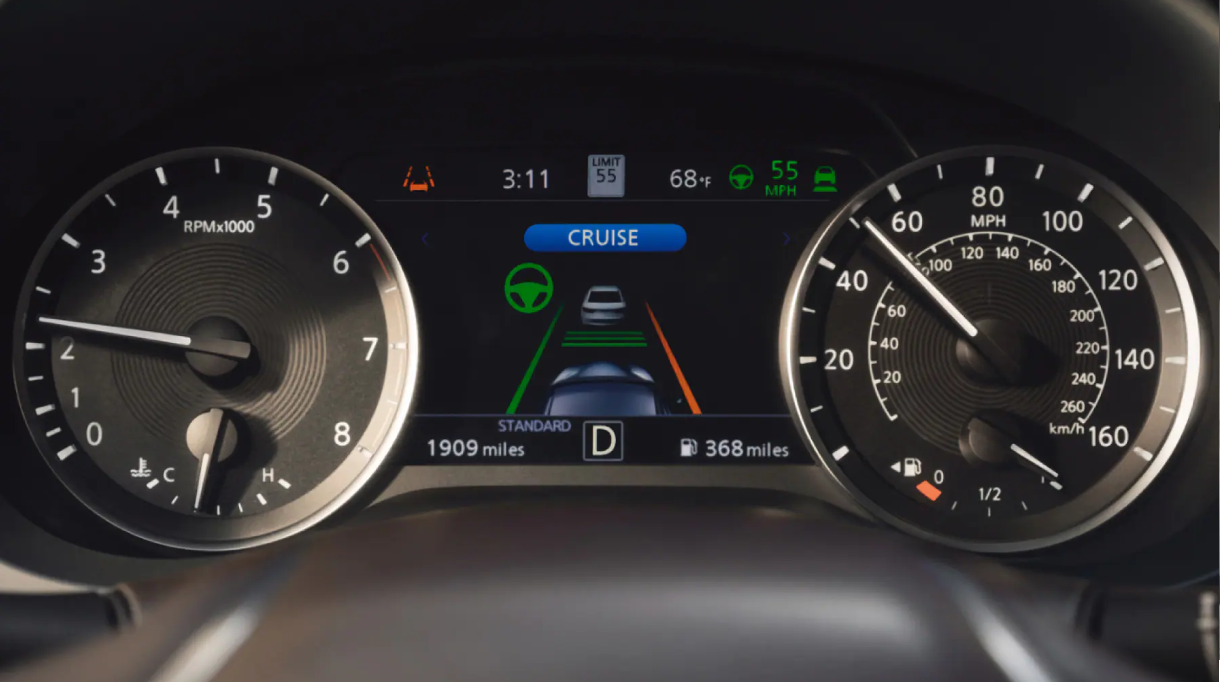
Driving through Ontario, CA, whether cruising along the Euclid Avenue corridor or heading to the Ontario Mills, you want your Infiniti to perform flawlessly without breaking the bank on fuel. Infiniti vehicles are engineered for a luxurious driving experience, but keeping that experience efficient requires mindful driving habits and regular maintenance. From adjusting how you accelerate on the bustling streets of Ontario to optimizing your tire pressure for highway stretches on I-10, small changes can make a big difference. Understanding your Infiniti’s fuel-saving features and using them effectively can also enhance performance without sacrificing luxury. By taking a proactive approach, you not only reduce fuel consumption but also maintain the long-term health of your vehicle.
Fuel Efficiency Tips for Infiniti Owners: Saving Without Sacrificing Performance
Fuel efficiency is not just about saving money at the pump—it’s about maximizing your Infiniti’s performance and ensuring a sustainable approach to driving. Infiniti vehicles are designed to deliver luxury, power, and advanced technology, but even the most efficient engines can benefit from thoughtful driving habits and maintenance practices. Below, we’ll dive into comprehensive tips for Infiniti owners who want to enhance their fuel economy without compromising the driving experience.
Maintain Your Infiniti for Peak Efficiency
Routine maintenance is at the heart of keeping your Infiniti running efficiently. An engine that’s well-tuned and free of mechanical issues will burn fuel more cleanly and effectively, ensuring every drop counts.
Start with the basics: oil changes, air filter replacements, and spark plug checks. Clean oil reduces friction in the engine, allowing components to move smoothly and efficiently. Infiniti’s advanced engines, especially those with turbocharged or variable compression technology, thrive when serviced with the manufacturer’s recommended oil type and viscosity. Similarly, replacing a clogged air filter ensures optimal airflow into the engine, improving the air-to-fuel ratio for combustion.
Tires play a crucial role in fuel efficiency as well. Under-inflated tires increase rolling resistance, which forces the engine to work harder and burn more fuel. Keep your tires inflated to the recommended PSI levels and inspect them regularly for signs of uneven wear. This small effort can lead to significant fuel savings over time.
Finally, schedule routine diagnostics to ensure all systems are functioning properly. Infiniti’s modern models, such as the QX50 or QX60, feature advanced onboard diagnostics that can alert you to potential issues. Pay attention to these warnings and address problems promptly. A healthy car is an efficient car.
Drive Smarter: Adjust Your Habits and Lighten the Load
Driving habits have a profound impact on fuel efficiency. Aggressive driving—rapid acceleration, hard braking, and high-speed cruising—can dramatically reduce MPG. Infiniti vehicles are engineered to provide smooth, responsive performance, so there’s no need to push them too hard.
Start by moderating your acceleration. Gradual increases in speed use less fuel compared to flooring the pedal. Infiniti’s Intelligent All-Wheel Drive systems distribute power efficiently, so let the technology do its job while you focus on maintaining steady throttle input. When cruising on highways like I-15 or SR-60 around Ontario, consider using cruise control. This feature helps maintain a consistent speed, reducing the need for frequent acceleration and braking. Infiniti’s ProPILOT Assist takes this concept further by managing your speed relative to traffic flow, ensuring optimal fuel economy even in stop-and-go conditions.
Another essential tip is to avoid idling for extended periods. Modern Infiniti engines are highly efficient, but idling burns fuel unnecessarily. If you’re waiting for a friend or stuck at a long light, consider turning off the engine. For models equipped with Auto Start/Stop technology, take advantage of it to minimize idle time.
Carrying excess weight significantly impacts fuel efficiency. Every additional 100 pounds can reduce MPG by up to 2%, especially in smaller vehicles like the Q50. Take a moment to clear out unnecessary items from your trunk and cabin.
If you frequently use roof racks or cargo carriers, remove them when not in use. These accessories increase aerodynamic drag, making your Infiniti less fuel-efficient. Models like the QX60 are already designed with aerodynamic efficiency in mind, so don’t let external factors undermine their performance. Plan your trips strategically to reduce the number of short drives. A cold engine consumes more fuel than a warm one, so combining errands into a single trip can save gas and time. This approach is especially useful in urban areas like Ontario, where traffic can add to fuel consumption during multiple short trips.
Driving Habits That Maximize Fuel Efficiency
Fuel efficiency is not just about the vehicle you drive; it’s also about how you drive it. Even in a high-performance luxury vehicle like an Infiniti, adopting smart driving habits can significantly reduce fuel consumption without sacrificing the thrill and comfort of your ride. Here are detailed insights into driving habits that can help you maximize your fuel efficiency.
Maintain a Consistent Speed and Avoid Excessive Idling
Maintaining a steady speed is another crucial habit for optimizing fuel economy. Constantly fluctuating your speed—especially on highways—forces the engine to work harder, using more fuel in the process.
Using cruise control on Infiniti models equipped with this feature can help you maintain consistent speeds during long highway drives. ProPILOT Assist, available on models like the QX50 and QX60, takes this a step further by monitoring traffic and automatically adjusting your speed to ensure smooth, fuel-efficient driving. When driving through Ontario’s highways like I-10 or SR-60, set your speed at a moderate level to avoid frequent accelerations and decelerations caused by traffic flow. Keeping your speed below 65 mph is ideal, as fuel efficiency typically decreases significantly at higher speeds.
While Infiniti vehicles are equipped with advanced engines designed for efficiency, idling still wastes fuel. Whether you’re waiting in a parking lot or stuck in traffic, turning off the engine during prolonged stops can save a considerable amount of gas. For models equipped with Auto Start/Stop technology, take full advantage of this feature. It automatically shuts off the engine when the vehicle is stationary and seamlessly restarts it when you release the brake pedal, reducing fuel consumption without any inconvenience.
Avoid warming up the engine for extended periods during colder months. Modern Infiniti engines warm up faster when driven, so start your journey soon after ignition to minimize idle time.
Accelerate Downhill, Coast Uphill
When driving on hilly terrain, using gravity to your advantage can help conserve fuel. Accelerate gently as you go downhill and use the momentum to coast uphill, rather than pressing hard on the gas pedal.
Infiniti’s advanced engineering, such as intelligent transmission systems and smooth power delivery, makes it easier to implement this technique without compromising performance. For models with hill assist features, these systems can also help prevent unnecessary fuel loss during hill starts.
Monitor and Adjust Tire Pressure
While not strictly a driving habit, regularly checking your tire pressure contributes to more efficient driving. Under-inflated tires create more rolling resistance, forcing the engine to work harder. By maintaining the manufacturer-recommended tire pressure, you can ensure a smoother ride and better fuel economy. During daily drives around Ontario or longer trips, uneven tire pressure can become a silent fuel drain. Check your tires weekly and adjust as needed, particularly when transitioning between seasons when air temperature changes can affect pressure levels.
Leverage Infiniti’s Advanced Technology
One of Infiniti’s strengths is its integration of cutting-edge technology to enhance both performance and efficiency. Familiarizing yourself with these features can help you get the most out of your vehicle while minimizing fuel usage.
Drive Mode Select, available in many Infiniti models, lets you customize your driving experience. Selecting “Eco Mode” optimizes throttle response and transmission settings to prioritize fuel efficiency. For daily commutes or relaxed drives through Ontario, this mode is an excellent way to save fuel without sacrificing comfort.
For hybrid or mild-hybrid Infiniti models, regenerative braking is another fuel-saving technology. This system recaptures energy typically lost during braking and uses it to recharge the battery, reducing the load on the engine. Taking advantage of this feature not only improves MPG but also contributes to smoother braking performance.
Infiniti’s Intelligent Navigation systems can also help you save fuel. These systems provide real-time traffic updates and suggest alternative routes to avoid congestion, reducing idle time and unnecessary fuel consumption. Paired with features like a Wi-Fi hotspot, you can plan efficient trips while staying connected.
Keep an Eye on Fuel Quality
Using the right fuel for your Infiniti is essential for maintaining performance and efficiency. Infiniti engines are finely tuned and often require premium fuel to operate at their best. While it may be tempting to save a few cents per gallon by opting for regular unleaded, this can lead to reduced performance and lower MPG in the long run.
Pay attention to where you refuel as well. Choose reputable gas stations that adhere to industry standards for fuel quality. Lower-quality gasoline can contain impurities that may clog fuel injectors or reduce engine efficiency over time. Infiniti’s advanced fuel injection systems are designed to maximize combustion, so don’t let subpar fuel compromise this advantage.
Regular Software Updates and Seasonal Adjustments
Many Infiniti models feature software-driven systems that control fuel injection, transmission shifts, and hybrid energy management. Keeping your vehicle’s software up to date ensures you’re benefiting from the latest improvements in efficiency and performance. Check with your local Infiniti dealership for software updates or service bulletins. These updates are often quick and can enhance your vehicle’s overall functionality, including fuel efficiency.
Weather can impact fuel efficiency, particularly in regions like Ontario, CA, where temperatures fluctuate seasonally. During the summer, excessive use of air conditioning can strain the engine and reduce MPG. Consider setting your climate control to a moderate temperature and using the “Auto” mode for efficient operation. In colder months, engines take longer to warm up, leading to increased fuel consumption during short trips. Allow your vehicle to idle only long enough to defrost windows before driving off. Infiniti’s heated seats and steering wheel can provide comfort without relying solely on the cabin heater, further conserving fuel.
By adopting these strategies and leveraging Infiniti’s advanced technologies, you can enjoy the perfect blend of performance and efficiency on every drive. Whether you’re navigating Ontario’s bustling streets or embarking on a road trip, these tips will help you make the most of your Infiniti’s capabilities while keeping fuel costs in check.
Optimizing Your Infiniti for Fuel Efficiency in Ontario, CA
Infiniti owners in Ontario know that balancing efficiency and performance isn’t just about saving on gas—it’s about enjoying the drive. Whether you’re planning a weekend getaway to Cucamonga-Guasti Regional Park or running errands in downtown Ontario, these fuel-saving tips can help you make the most of every trip. Consistent maintenance and a few thoughtful adjustments in how you drive ensure your Infiniti remains a joy to operate while being kind to your wallet. Plus, by practicing fuel-efficient habits, you’re contributing to a cleaner Ontario community. So, whether you’re a daily commuter or a weekend explorer, it’s time to optimize your Infiniti for efficiency and make every mile memorable.
At Infiniti of Ontario, we know that fuel efficiency matters to our community. Simple changes, like using cruise control on open stretches of I-15 or avoiding rapid acceleration during Ontario’s busy evening commutes, can significantly reduce fuel costs. Keeping your Infiniti regularly serviced ensures top performance and economy, so don’t forget to Schedule a Service with our expert technicians.
For those considering upgrading to a newer, more fuel-efficient Infiniti model, explore our New Inventory and Certified Pre-Owned Vehicles. Our vehicles are engineered with advanced efficiency technologies to give you the perfect balance of power and savings. Thinking of trading in your current ride? Check out our Pre-owned inventory and find a model that suits your lifestyle.
Fuel savings are even sweeter when paired with our Special Offers, designed to help you save more while driving in luxury. Ready to make a change? Get pre-approved through our Financing application for a seamless buying experience. Once you’ve made your choice, Schedule a test drive and feel the efficiency and performance firsthand. Whether you’re headed to Ontario Mills or taking a weekend drive to Mt. Baldy, let us help you drive smarter and save more.

Infiniti has carved a unique path in the automotive world, delivering luxury vehicles that blend performance with elegance. Originating as Nissan’s luxury division, Infiniti was born to compete with established premium brands and quickly gained attention with its commitment to innovation and style. From its first appearance on North American roads in 1989, the brand set out to redefine what a luxury vehicle should be. Over the years, it became synonymous with refined power, sleek designs, and state-of-the-art technology. Ontario, CA residents familiar with the demands of city and highway driving can appreciate how Infiniti models are tailored for comfort and performance alike. Whether cruising along the 10 Freeway or navigating Ontario Mills’ bustling parking lots, Infiniti vehicles represent a commitment to quality that fits right into the rhythm of daily life here.
Infiniti’s History: From Concept to Cutting-Edge Luxury
The Beginnings of Infiniti: Crafting a New Luxury Vision
In the late 1980s, Nissan, aiming to compete with established luxury brands, saw the potential for a new level of sophistication and performance within the automotive market. Infiniti was introduced as Nissan’s answer to the growing demand for luxury vehicles that went beyond traditional designs and features. The brand was officially launched in 1989, with its first models—most notably, the Q45 sedan and the M30 coupe—focusing on powerful engines, high-quality materials, and innovative technology. The Q45, in particular, set Infiniti apart from competitors by featuring a V8 engine with 278 horsepower and an advanced multi-link suspension, giving drivers a refined yet thrilling experience on the road.
The introduction of Infiniti marked the dawn of a new approach to luxury that emphasized a balance between power, elegance, and technology. Infiniti’s philosophy became about more than just manufacturing luxury vehicles; it was about creating a new concept of automotive indulgence. Early advertising campaigns mirrored this philosophy, showcasing Infiniti’s commitment to nature, beauty, and innovation rather than traditional power-focused advertisements. By promoting an emotional connection between driver and car, Infiniti established itself as a distinctive brand with an artful approach to luxury.
The Q45, M30 and The Evolution Through the 1990s: Expanding the Lineup and Refining Design
The Q45 and M30 became synonymous with Infiniti’s dedication to providing vehicles that prioritize performance without sacrificing comfort. The Q45, especially, was known for its unique exterior design and its sportier, bolder performance than many of its contemporaries. Featuring a leather-trimmed interior, sophisticated sound systems, and high-end safety features, the Q45 set the standard for future Infiniti models, emphasizing Infiniti’s blend of luxury and advanced technology. These models helped to establish Infiniti as a viable contender in the North American luxury market, capturing attention and creating a loyal customer base that valued innovation and quality over familiarity.
Infiniti’s unique approach, however, didn’t stop with power or style. With early models like the M30, Infiniti ventured into the coupe market, catering to customers who wanted an engaging driving experience coupled with the luxury and refinement expected from a high-end brand. As both the Q45 and M30 gained recognition, Infiniti was solidifying its place in the luxury car segment, building a reputation as a brand willing to experiment, innovate, and exceed customer expectations.
The 1990s marked a period of growth for Infiniti, as it introduced additional models to cater to a broader audience. As the luxury car market continued to expand, Infiniti responded with models that emphasized comfort, advanced technology, and practicality. The brand’s designers experimented with features that weren’t just innovative but intuitive and user-friendly, appealing to drivers who wanted an effortless experience on the road.
With models like the G20, a luxury sedan that provided both elegance and an accessible entry point to the Infiniti lineup, the brand broadened its appeal and strengthened its commitment to quality and reliability.
One of Infiniti’s greatest contributions during the 1990s was its early integration of technology into the driver experience. The J30 sedan, introduced in 1993, was a prime example of Infiniti’s dedication to creating unique vehicles with distinctive shapes, advanced handling, and robust safety features. Infiniti wasn’t afraid to depart from the traditional design philosophy that often characterized luxury brands, offering fluid, bold shapes that appealed to consumers looking for something different. This model, along with the continuation of the Q45 and later the introduction of the I30, demonstrated Infiniti’s flexibility and desire to innovate.
Technology Integration: Moving Towards a Tech-Driven Experience
Technology became a crucial part of Infiniti’s offerings in the 1990s. The I30, for example, introduced features like a Bose audio system and sophisticated climate control systems, providing drivers with an enhanced experience. This era also saw the incorporation of driver-assistance technology, with Infiniti aiming to make safety as luxurious as comfort. These features positioned Infiniti as a tech-forward brand, committed to providing drivers with advanced functionality that complemented the brand’s aesthetic and performance values. This alignment with emerging automotive technology trends helped Infiniti establish a reputation for staying ahead of the curve and set the stage for the brand’s continued evolution into the 2000s.
As the brand developed its identity, Infiniti consistently sought to redefine what a luxury vehicle could offer, blending comfort, safety, and cutting-edge tech in ways that made driving feel both secure and pleasurable. The introduction of these technology-driven models in the 1990s helped solidify Infiniti’s place as a luxury brand for those who valued both style and substance.
The 2000s: Embracing Performance and Innovation with the G-Series
The 2000s was a transformative decade for Infiniti, as it further honed its focus on performance-driven luxury. This era saw the introduction of one of Infiniti’s most iconic models: the G-Series. The G35 sedan and coupe, in particular, were immensely successful, capturing the attention of driving enthusiasts with their powerful V6 engines and rear-wheel-drive configurations. The G35 wasn’t just another luxury car; it was a performance powerhouse that appealed to those who wanted a thrilling experience on the road. The G35’s success marked Infiniti’s entry into the high-performance luxury market, setting new standards for what luxury and power could mean together. The G-Series’ influence went beyond its powerful performance specs. The series showcased Infiniti’s dedication to driver-centric design, with interiors focused on comfort, visibility, and intuitive controls. With options like leather upholstery, advanced navigation systems, and state-of-the-art audio, the G-Series represented Infiniti’s goal to cater to both the practical and indulgent desires of its customers. This dual focus on power and comfort made the G-Series a flagship of the brand, showcasing Infiniti’s ability to offer a balanced vehicle that didn’t compromise on quality or thrill.
Performance Meets Luxury: The Emergence of VQ Engines and Advanced Drivetrain
The G-Series also introduced the VQ engine family, a highly celebrated engine series that received recognition for its performance and durability. This engine technology became a hallmark of Infiniti’s design, and it showcased the brand’s commitment to providing responsive, high-quality performance that enhanced the driving experience. The emphasis on powerful yet reliable engines helped Infiniti gain a following among those who prioritized performance without sacrificing the refinement expected of a luxury brand. The VQ engine helped solidify Infiniti’s image as a performance-driven brand, distinct in its approach to crafting luxurious vehicles with heart-pounding power under the hood.
With the G-Series, Infiniti not only embraced high performance but also leaned into innovative drivetrains and aerodynamic design to support responsive handling and speed. This direction marked a significant shift from Infiniti’s initial luxury-focused lineup, as the brand embraced a new identity—one that put thrill, speed, and design innovation at the forefront. The 2000s G-Series was a testament to Infiniti’s adaptive capabilities, catering to evolving consumer demands for both comfort and excitement in their luxury vehicles.
Advancing into the 2010s: Technology, Safety, and Electrification
As Infiniti entered the 2010s, the automotive landscape began to shift towards sustainability and advanced safety. Infiniti met this demand with a renewed focus on environmentally-friendly technology and further development in driver assistance and safety features. The introduction of the Q50 in 2013 brought about Infiniti’s Direct Adaptive Steering, an innovative technology that digitally transmitted steering input, reducing vibration and enhancing precision. This made driving smoother and more controlled, cementing Infiniti’s reputation for tech-forward luxury and setting it apart from its competitors.
During this decade, Infiniti continued to innovate with its Intelligent All-Wheel Drive (AWD) system and introduced a line of hybrid models. The Q50 hybrid combined the performance Infiniti fans had come to expect with greater fuel efficiency, appealing to environmentally-conscious drivers who didn’t want to compromise on luxury or power. The 2010s were a pivotal time for Infiniti as the brand embraced the evolving priorities of luxury buyers by integrating sustainability and forward-thinking tech across its lineup.
Safety and Autonomous Features: Elevating the Driving Experience
Infiniti took significant strides in safety technology during the 2010s. ProPILOT Assist, an advanced driver-assistance system, allowed for partially autonomous driving, which reduced the stress of long-distance drives and elevated the Infiniti driving experience to new levels of convenience and security. With features like lane-keeping assistance, adaptive cruise control, and forward-collision warning, ProPILOT Assist catered to drivers who valued security and ease as much as they did luxury.
Infiniti’s commitment to safety wasn’t just about adding new technology; it was about creating a holistic driving experience that empowered drivers to feel in control and protected. The focus on seamless integration of these features ensured that Infiniti vehicles retained their luxury appeal without overwhelming drivers with excessive tech.
As Infiniti introduced these advancements, it continued to position itself as a forward-thinking brand that anticipated and exceeded the needs of modern drivers.
Today’s Infiniti: Embracing the Future with Luxury and Sustainability
Today, Infiniti remains a key player in the luxury market by continuing to evolve with consumer expectations. The brand has placed a strong focus on sustainability and eco-friendly technology, exploring hybrid and electric vehicle options to cater to environmentally-conscious customers. Infiniti’s QX Inspiration, an all-electric concept SUV, demonstrates the brand’s commitment to a sustainable future, showcasing sleek design elements, a luxurious interior, and a high-powered electric drivetrain. As Infiniti moves towards this new era, it remains dedicated to its core principles of luxury, performance, and innovation. The current lineup, including the QX50 and QX60, reflects Infiniti’s dedication to providing vehicles that embody both style and substance. These models are packed with modern features, including advanced connectivity, driver assistance, and cutting-edge infotainment options, appealing to a new generation of luxury drivers. Infiniti’s history demonstrates the brand’s ability to adapt to changing landscapes while retaining a strong commitment to the driving experience, ensuring that every Infiniti model stands as a testament to luxury and forward-thinking engineering.
Discover Infiniti’s Evolution in the Heart of Ontario
Today, Infiniti remains a brand that fuses Japanese precision with global luxury standards, delivering vehicles that feel right at home on the streets of Ontario. This commitment to luxury and technology has evolved with each model, from groundbreaking performance upgrades to the integration of advanced safety features, setting Infiniti apart in the competitive world of luxury vehicles.
For Ontario residents looking to blend style with reliability, Infiniti’s rich history provides a foundation of trust. Whether you’re exploring the city’s scenic spots or commuting through Ontario’s growing neighborhoods, Infiniti’s dedication to innovation ensures that you’re experiencing the best of modern luxury and forward-thinking design in every drive.
At Infiniti of Ontario, we’re proud to represent a brand with such a legacy of innovation, design, and luxury. Infiniti has evolved over the decades, establishing a reputation for blending high-performance engineering with refined style. Ontario drivers seeking new levels of luxury can explore our selection of Certified Pre-Owned Vehicles for quality that reflects Infiniti’s standards of excellence. If you’re considering a new model, our New Inventory showcases the latest in cutting-edge technology, while our Pre-owned inventory offers a range of well-maintained options that meet the high standards of Ontario drivers.
For those looking to enhance their experience with flexible financing, you can start your journey with our quick and secure Financing application. If you’re interested in exclusive savings, check out our current Special Offers, perfect for drivers looking to get behind the wheel of Infiniti’s finest without compromising their budget. Our team is also here to help you maintain your Infiniti’s excellence, making it easy to Schedule a Service with our experienced technicians.
We invite you to visit Infiniti of Ontario and experience firsthand what sets Infiniti apart from other luxury brands. Take a moment to schedule a test drive to explore how Infiniti’s design and performance fit perfectly with Ontario’s dynamic driving landscape. Let us help you find a vehicle that truly complements your lifestyle and meets the needs of daily drives, from Route 60 to local Ontario spots. Infiniti’s legacy of luxury and modern performance awaits you.
How to Prepare Your Car for Holiday Road Trips

Getting ready for a holiday road trip from Ontario, CA, can be an exciting time, especially when there’s so much to explore nearby—from the winter wonderland of Big Bear Lake to the scenic coastal routes toward San Diego. To make sure the journey is smooth and stress-free, giving your vehicle a thorough prep is essential. A well-prepared car can make all the difference, allowing you to focus on the adventure ahead instead of unexpected setbacks. Basic maintenance like checking tire pressure, fluid levels, and battery health can be lifesaving when you’re miles from home and eager to reach your destination. Additionally, confirming that your headlights, wipers, and brakes are in excellent shape ensures that you’re ready for all types of holiday weather, from sunny days to winter storms.
How to Prepare Your Car for Holiday Road Trips
When preparing for a holiday road trip, ensuring your car is in top condition is the foundation of a safe journey. A comprehensive inspection and maintenance check not only prevents breakdowns but also ensures that your vehicle performs at its best under different driving conditions. Preparing your car by focusing on its overall health will give you peace of mind, knowing it’s ready to handle anything the road throws its way.
Check Fluids and Oil
Start by checking all essential fluids, as they play a significant role in your car’s performance and longevity. First and foremost, check the engine oil. Oil lubricates the engine’s moving parts, reducing friction, and keeping everything running smoothly. Fresh oil minimizes wear and tear, making it a critical component of long-distance travel. To check your oil, locate the dipstick under the hood, remove it, and wipe it clean before re-inserting it. Then, remove it again to examine the oil level and its color. If the oil level is low or appears dark, schedule an oil change before your trip. Additionally, consider checking and topping off other fluids, such as coolant, brake fluid, transmission fluid, and windshield washer fluid.
Coolant, in particular, is important for preventing your engine from overheating. Long-distance driving generates substantial heat, and coolant keeps your engine at a safe operating temperature. In colder months, coolant also prevents engine components from freezing. Brake fluid, on the other hand, is crucial for responsive braking, as it transmits the force from the brake pedal to the brakes themselves. Given that effective braking can be lifesaving in certain situations, it’s essential to ensure that your brake fluid level is adequate and the fluid itself is free from contamination.
Checking the transmission fluid is also vital; if it’s discolored or smells burnt, it’s time to replace it, as fresh transmission fluid keeps gear shifts smooth. Lastly, windshield washer fluid helps maintain a clear line of sight, especially if road conditions kick up dirt, snow, or rain onto your windshield.
Inspect Tires and Brakes
Tires are the primary point of contact between your vehicle and the road, and their condition directly impacts handling, fuel efficiency, and safety. Before embarking on a holiday road trip, inspect each tire for signs of wear, such as uneven tread depth, cracks, or bulges. Uneven wear might indicate alignment or suspension issues, which can lead to steering difficulties and faster tire deterioration. Use the penny test to measure the tread depth: insert a penny with Lincoln’s head down into the tread grooves—if you can see the top of Lincoln’s head, the tread is too shallow, and it’s time to replace the tires.
Equally important is tire pressure. Underinflated tires increase fuel consumption and wear out faster, while overinflated tires reduce traction. Check your tire pressure using a pressure gauge and compare the readings to the manufacturer’s recommended PSI found in the owner’s manual or on a sticker in the driver’s door jamb. Keep in mind that tire pressure can fluctuate with temperature changes, so check the pressure when the tires are cold.
Additionally, don’t forget to inspect the spare tire and make sure it’s properly inflated. A fully functional spare can be a lifesaver in case of a flat tire along the way.
Brake inspection is crucial as well. Healthy brakes are essential for safe stopping, particularly when navigating unfamiliar roads or dealing with sudden stops in holiday traffic. Listen for any unusual noises like squeaking or grinding, which could indicate worn brake pads or issues with the brake rotors. If your car pulls to one side when braking, it may signal uneven brake pad wear. Replacing worn-out brake pads is essential to maintaining stopping power, especially on long journeys where you may encounter varied traffic and road conditions.
Emergency Kit and Supplies
Having an emergency kit on hand can make a significant difference in case of unexpected situations on the road. While you hope not to use it, a well-stocked emergency kit provides peace of mind, knowing you’re prepared for anything that may come your way.
The first things to include in your emergency kit are essential safety items, which can help you handle minor breakdowns or emergencies without additional assistance. Jumper cables, for example, are crucial if your battery dies unexpectedly. A dead battery is one of the most common road trip issues, and having jumper cables means you can get a jump start from another vehicle if needed. Additionally, carry a flashlight with extra batteries; if you find yourself with car trouble at night, a flashlight allows you to see under the hood or check around your car safely.
Other must-have items include a tire repair kit or a portable air compressor, which can temporarily fix a flat or re-inflate a tire. Basic tools like a wrench, screwdriver, and pliers can help you make quick fixes or adjustments, while duct tape and a multipurpose utility knife are useful for temporary repairs.
Make sure to bring a first-aid kit with bandages, antiseptic wipes, and pain relievers—basic first-aid supplies are invaluable in case of minor injuries along the way.
It’s also a good idea to pack reflective triangles or road flares to make your car visible to other drivers if you have to stop on the side of the road. Reflective gear helps prevent accidents, especially in low-visibility conditions or at night.
Finally, keep a paper map of your route in case you lose GPS signal or your phone battery dies. While technology is incredibly reliable, having a backup plan ensures you’ll never get stranded without direction.
In addition to emergency items, consider bringing supplies for comfort and convenience. Long drives can be tiring, so pack snacks, water, and any necessary medications. Non-perishable snacks such as nuts, granola bars, and dried fruit provide energy and can keep you from getting too hungry between stops. Bringing enough water is essential, especially if you’re driving through remote areas where gas stations and convenience stores may be sparse.
A blanket and extra clothing are also useful for colder climates. If you’re driving through snowy or chilly regions, blankets can keep you warm if you need to pull over or in case of a breakdown. Pillows and neck rests can make long drives more comfortable, allowing you to take breaks without needing a hotel or rest stop. If you’re traveling with children, consider packing games, books, or electronics to keep them entertained on the journey. Finally, a car phone charger ensures your devices stay powered, so you can maintain communication and access to navigation apps throughout your trip.
Planning Your Route and Stops
Careful planning is key to a successful and enjoyable road trip. By mapping out your route and identifying ideal rest stops, you can manage travel time effectively and avoid fatigue. Planning also gives you the flexibility to include scenic routes and notable landmarks, adding excitement to the journey.
Start by mapping out your entire journey, including the primary highways and roads you’ll take. GPS apps like Google Maps or Waze provide real-time updates and can suggest alternate routes if there are road closures or heavy traffic.
However, it’s wise to have a basic idea of the route beforehand, as relying entirely on digital navigation could be problematic if you lose signal or battery power. Write down the main highways or key turns and intersections, just in case.
Consider your driving preferences when planning your route. For example, if you prefer driving on quiet roads, avoid congested highways during peak holiday times. If you enjoy scenic drives, research scenic byways or routes with popular viewpoints and landmarks. Planning can transform a straightforward road trip into a memorable experience with enjoyable detours and stops. Finally, make sure you plan alternative routes in case you encounter unexpected obstacles such as construction zones, road closures, or detours.
Long hours on the road can be exhausting, and taking regular breaks helps reduce fatigue and ensures you stay alert while driving. Plan rest stops every two to three hours, depending on your personal comfort level. Rest areas, gas stations, or scenic pullouts are ideal places to stretch your legs, get fresh air, and relax for a few minutes. Frequent stops are especially important for drivers on unfamiliar roads, as they can prevent fatigue-related accidents.
If you’re traveling with family or friends, rest stops offer a chance to switch drivers, allowing everyone to share the responsibility. It’s also a great way to maintain enthusiasm throughout the trip, as regular breaks can help passengers recharge. Include rest stops that coincide with meal times, so you can enjoy a relaxed meal and avoid eating while driving. If traveling through scenic areas, plan rest stops at viewpoints to capture the natural beauty and make your journey more enjoyable.
In-Vehicle Comfort and Entertainment
Keeping everyone comfortable and entertained in the car is an important part of a successful road trip. Ensuring that both the driver and passengers are comfortable helps prevent irritability and keeps the atmosphere positive, making for a smoother journey.
Adjusting the seats and setting the car’s temperature to suit everyone’s comfort can make a long trip more enjoyable. If your car has adjustable lumbar support, make sure the driver’s seat is set to provide ample back support, as this can prevent strain on the lower back during extended drives. Passengers should also adjust their seats to their liking, ensuring everyone has enough legroom and a comfortable sitting position. Temperature control plays a significant role in in-car comfort. Set the air conditioning or heating to maintain a balanced climate, and consider allowing passengers in the back seat to control vents if your car has multi-zone climate control. In cold weather, keep the car warm but not overly hot, as an overly warm interior can lead to drowsiness. Conversely, in warm climates, set the air conditioning to keep the cabin cool without blasting cold air, which can be uncomfortable over long periods.
Entertainment can make time on the road pass more quickly, especially for passengers who may not be as engaged in the driving process. Create playlists before you leave, incorporating music that suits everyone’s tastes. Consider a mix of upbeat songs to keep energy levels high and slower songs for when you want a more relaxed atmosphere. Music streaming services allow you to download playlists in advance, ensuring you have access to your favorite tunes even in areas with limited cell service.
Audiobooks and podcasts are excellent alternatives to music, offering hours of engaging content that can captivate listeners. Audiobooks are particularly popular for road trips, as they allow listeners to enjoy stories without needing to read, which can cause motion sickness for some. Podcasts offer diverse topics, from true crime and history to comedy and personal development.
For families, bringing along portable devices with pre-downloaded movies, games, or reading material ensures everyone has entertainment options that suit their preferences. This can help reduce potential conflicts over music or other in-car entertainment choices, making for a peaceful journey.
Ready Your Vehicle for a Holiday Adventure with Infiniti of Ontario
With Ontario’s proximity to both mountainous terrain and bustling cities, it’s wise to pack essentials like an emergency kit, spare tire, and extra fluids to cover any scenario. Keep a close eye on your vehicle’s fuel economy and monitor traffic apps to avoid the notorious holiday congestion as you approach popular spots like Route 66 or head toward Downtown Los Angeles. Before you embark, remember that preparing your car not only safeguards you and your passengers but also keeps your road trip on track, whether you’re headed to family gatherings or simply out to explore California’s stunning holiday sights. Taking a few steps to ensure your vehicle is road-trip-ready helps you enjoy the journey to its fullest.
As Ontario residents gear up for holiday road trips, it’s essential to make sure your vehicle is prepared for the journey ahead. Infiniti of Ontario provides a range of services and resources to support you, whether you’re driving along Route 66 or headed toward a mountain retreat. Consider starting with a maintenance check to get your vehicle ready—our Schedule a Service option is quick and hassle-free. Regular maintenance is key to a safe trip, and with our experienced service team, you can be sure your car is ready to tackle the roads ahead. For those considering an upgrade, Infiniti of Ontario offers a wide selection of Certified Pre-Owned Vehicles that combine quality with affordability. These vehicles go through a meticulous inspection, giving you peace of mind as you plan your holiday travels.
If you’re in the market for a brand-new Infiniti, check out our New Inventory. Designed for performance and comfort, our latest models can elevate your road trip experience. And if a pre-owned vehicle better suits your needs, explore our Pre-owned Inventory, where each car is carefully selected to meet our high standards. For drivers looking to take advantage of seasonal deals, visit our Special Offers page for the latest promotions, making it easier to get behind the wheel of an Infiniti.
Curious about financing? Our online Financing Application streamlines the approval process, and our finance experts are ready to help you find a plan that fits your budget. Before you hit the road, come by for a personalized experience. You’re invited to Schedule a Test Drive and explore our models in person. Infiniti of Ontario looks forward to helping you get road-ready with a vehicle that’s up to any adventure this holiday season. Learn more about us and what makes our dealership stand out by visiting Infiniti of Ontario.
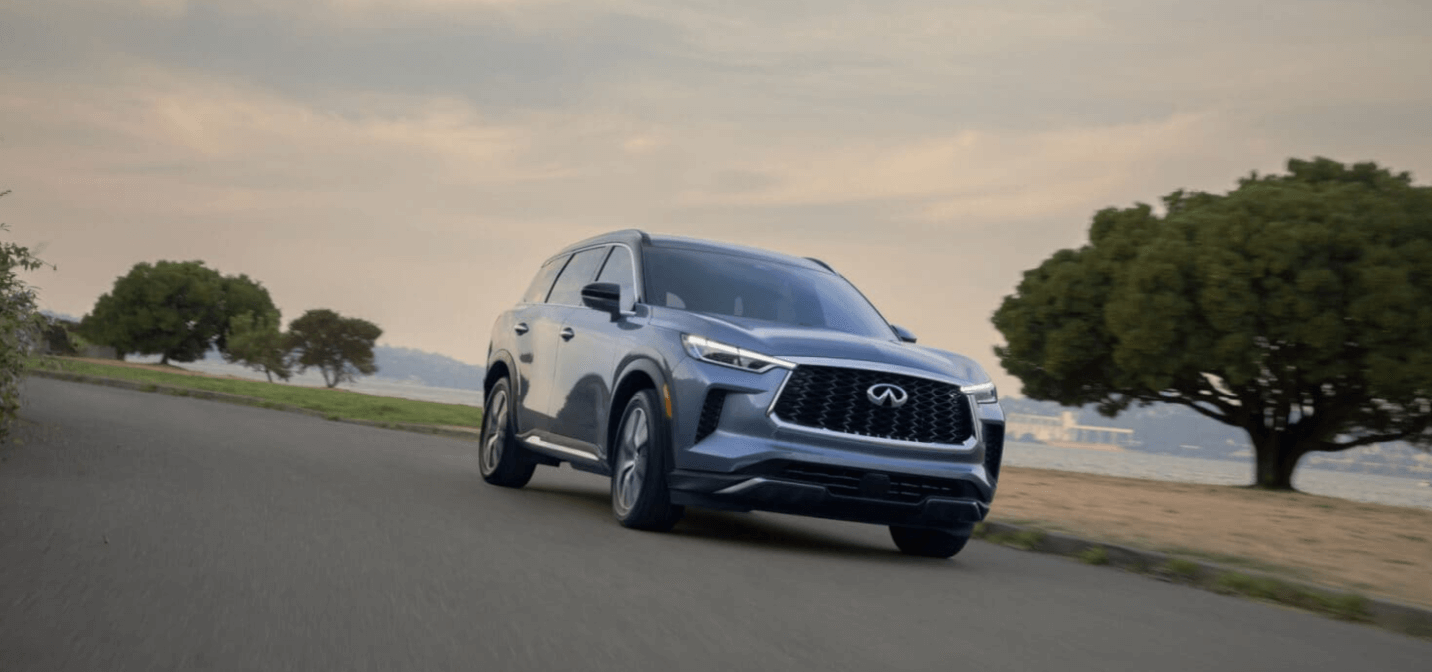
If you’re in the market for a luxury SUV that combines elegance, performance, and practicality, the Infiniti QX60 is a standout choice. Ontario residents looking for a versatile vehicle that can handle both daily commutes and weekend getaways will appreciate what this SUV has to offer. With its blend of advanced technology, spacious interior, and refined driving experience, the QX60 is designed to elevate every drive.
Top 5 Reasons to Buy the Infiniti QX60 in Ontario, CA
The Infiniti QX60 is a standout in the luxury mid-size SUV segment, offering a blend of style, technology, and performance that makes it a highly desirable vehicle for families and professionals alike. Whether you’re looking for comfort, advanced features, or reliability, the QX60 has it all. Here are the top five reasons why this luxury SUV is worth your consideration.
Luxurious and Spacious Interior
The interior of the Infiniti QX60 is one of its most compelling features, showcasing the brand’s dedication to luxury and comfort. This SUV is built to impress not only with its stylish design but also with the attention to detail in every component of the cabin.
Premium Materials: Inside the QX60, you are immediately greeted by high-end materials that elevate the driving experience. Soft leather upholstery, rich wood trim, and carefully crafted soft-touch surfaces combine to create an environment that exudes sophistication and comfort. Every aspect of the cabin is meticulously designed to enhance the luxury feel. Whether you’re sitting in the driver’s seat or relaxing in the back, the quality of materials ensures that every ride feels like a first-class experience. It’s not just about looking good; it’s about providing a tactile, pleasurable experience as well.
Comfortable Seating: Comfort is key, especially for families or those who spend a lot of time on the road. The Infiniti QX60 offers spacious and supportive seating for up to seven passengers. Even the third-row seats, which can sometimes be cramped in other vehicles, are designed with comfort in mind, offering enough room for adults on longer trips. Infiniti knows that long journeys require both support and space, and the QX60 delivers on both fronts. With power-adjustable seats in the front and ample legroom throughout, this SUV ensures that every passenger remains comfortable, no matter where they’re seated.
Quiet Cabin: Noise, vibration, and harshness (NVH) are issues that Infiniti engineers took seriously when designing the QX60. The quiet cabin is a testament to the brand’s commitment to a serene driving environment. Road noise is kept to a minimum, even at highway speeds, allowing for peaceful, uninterrupted conversations or simply a relaxing drive. This is especially important for those who frequently travel with family or for professionals who need a calm atmosphere while commuting.
Cargo Space: Beyond comfort, the QX60 is practical, too. It offers ample cargo space behind the third row, which is ideal for groceries, luggage, or sports equipment. Fold down the third row, and the cargo area expands significantly, allowing for larger items or even weekend getaway supplies. This flexibility makes the QX60 perfect for family adventures, business trips, or simply running errands around town.
Smooth and Powerful V6 Engine
Under the hood, the Infiniti QX60 is equipped with a smooth and powerful V6 engine that ensures both an enjoyable driving experience and the ability to handle a variety of road conditions with ease.
The heart of the QX60 is its 3.5-liter V6 engine, which produces 295 horsepower and 270 lb-ft of torque. This engine strikes a perfect balance between power and efficiency, providing ample acceleration and performance without sacrificing fuel economy. Whether you’re merging onto the highway, passing slower vehicles, or simply enjoying a spirited drive, the V6 engine offers smooth and confident power delivery.
Complementing the V6 engine is a 9-speed automatic transmission that ensures responsive shifts and a refined driving experience. The transmission is designed to make the most of the engine’s power, offering seamless acceleration and gear changes. This not only contributes to the QX60’s performance but also helps improve fuel efficiency, making it a practical option for both city and highway driving.
For those who need extra capability, the QX60 doesn’t disappoint in the towing department. With a towing capacity of up to 6,000 pounds, this SUV is more than capable of hauling small trailers, boats, or other recreational equipment. Whether you’re heading out for a weekend adventure or need to tow a trailer for work, the QX60’s powertrain provides the confidence and ability to get the job done.
Advanced Technology and Safety Features
In today’s automotive world, technology and safety are paramount, and the QX60 excels in both areas. This luxury SUV is packed with cutting-edge features designed to keep you connected, informed, and protected on the road.
The Infiniti QX60 comes equipped with a state-of-the-art infotainment system that enhances the driving experience. At the center of it all is a 12.3-inch touchscreen display that’s both intuitive and responsive. It supports Apple CarPlay and Android Auto, allowing seamless integration of your smartphone for hands-free calling, music streaming, and navigation. Additionally, a built-in Wi-Fi hotspot ensures that passengers stay connected, whether for work or entertainment, during long drives.
Safety is a top priority for Infiniti, and the QX60 is loaded with advanced driver assistance features. One of the standout technologies is ProPILOT Assist with Navi-link, which combines adaptive cruise control with lane-keeping assist to provide semi-autonomous driving capabilities. This system makes highway driving easier and safer by maintaining a set distance from the vehicle ahead and helping keep the QX60 centered in its lane. Other safety features include blind-spot monitoring, rear cross-traffic alert, and forward emergency braking, all of which work together to prevent accidents and enhance driver awareness.
Refined Ride and Handling
While luxury SUVs often prioritize comfort over handling, the Infiniti QX60 manages to strike a balance between both, delivering a smooth and composed ride in various driving conditions.
One of the most impressive aspects of the QX60 is its ability to provide a smooth and comfortable ride, even on less-than-perfect road surfaces. The suspension is finely tuned to absorb road imperfections, ensuring that passengers experience minimal disruption from bumps or rough patches. Whether you’re navigating through city streets or cruising on the highway, the QX60 delivers a ride quality that rivals even the most prestigious luxury brands. Although the QX60 is not designed to be a sports car, it handles with precision and confidence, offering excellent maneuverability for an SUV of its size. The steering is responsive, and the vehicle feels stable in corners and at higher speeds. This makes the QX60 easy to drive in a variety of conditions, from city streets to winding country roads. For drivers who appreciate a vehicle that combines comfort with control, the QX60 is a strong contender.
Strong Value Proposition
Finally, the Infiniti QX60 offers exceptional value in the competitive luxury SUV segment, making it an attractive option for buyers who want the most bang for their buck.
Compared to its German counterparts, the QX60 offers a highly competitive starting price. Infiniti has priced this SUV to provide luxury and performance without the hefty price tag typically associated with premium European brands. For buyers seeking a high-end vehicle that doesn’t break the bank, the QX60 delivers luxury at an attainable price point.
Even in its base trim, the QX60 comes well-equipped with features that are often optional or reserved for higher trims in other vehicles. Leather seats, a power liftgate, and a comprehensive suite of driver-assistance technologies are all standard, making the QX60 an excellent value for the money. Buyers won’t have to sacrifice comfort, safety, or convenience when opting for the entry-level model.
Infiniti has built a solid reputation for reliability, and the QX60 is no exception. This SUV is designed to be dependable, offering peace of mind for years to come. Whether you’re looking for a vehicle to handle daily commutes or family road trips, the QX60 is built to last, providing a reliable and enjoyable ownership experience.
Overall, the Infiniti QX60 is a top choice for anyone in the market for a luxury mid-size SUV. With its blend of comfort, performance, technology, and value, it stands out as a strong competitor in its class.
Why the Infiniti QX60 is Perfect for Ontario Drivers
The QX60 not only offers an exceptional driving experience, but it also provides great value for luxury SUV buyers in Ontario. Whether it’s the powerful V6 engine, the impressive safety features, or the sleek, modern design, this vehicle delivers in all the right areas. If you’re ready for a car that caters to your lifestyle and meets your expectations for comfort and performance, the Infiniti QX60 is a perfect choice for your next vehicle upgrade.
At Infiniti of Ontario, we invite you to explore our New Inventory and Pre-owned inventory to find the perfect QX60 for your lifestyle. Our seamless Financing application process ensures a hassle-free experience, and don’t forget to check out our Special Offers for the best deals. Visit our showroom, schedule a service with us here, or schedule a test drive to experience the QX60 firsthand!
Discover Your Next Vehicle at Infiniti of Ontario: Explore Our New and Pre-Owned Inventory
Finding a good work-life balance can often feel like a challenge, especially for busy Ontario residents juggling careers, family, and personal commitments. The hustle and bustle of daily life in this fast-paced world can make it easy to prioritize work over personal well-being, but striking the right balance is key to long-term success and happiness. Whether you’re working from home, commuting to an office, or managing multiple responsibilities, achieving a healthy balance requires intention and strategy. In this article, we’ll explore some practical tips and habits that can help you maintain harmony between your professional and personal lives.
How to Keep a Good Work-Life Balance for Ontario Residents
Achieving a healthy work-life balance can feel like a challenging goal in today’s fast-paced world, where the boundaries between professional responsibilities and personal life blur. Whether you’re working from home, managing a demanding career, or juggling multiple roles, it’s crucial to find the balance that enables you to thrive both professionally and personally. Let’s explore some strategies that can help you create a balanced lifestyle where work and personal time coexist harmoniously.
Prioritizing Time Management
Time management is at the core of work-life balance. The way you allocate your hours directly affects how well you manage the demands of work and your personal life. This is more than just a practical skill; it’s a mindset that requires consistent focus and discipline.
Setting clear boundaries is essential for time management. Many people struggle with knowing when to “turn off” work, especially with the prevalence of remote jobs that blur the lines between home and office. Establish a dedicated workspace, even if it’s just a small area, and designate specific times for work. Once your workday is over, be strict about leaving your workspace and not returning to it unless absolutely necessary. This physical separation helps mentally disconnect you from work. To keep work from intruding into your personal life, avoid checking work emails or responding to work-related texts after your designated hours. This can be challenging, especially in roles that require constant availability, but setting realistic expectations with your employer and colleagues can help manage this issue. Let people know the hours you’re available and stick to them.
The way you schedule your day has a huge impact on your productivity and ability to balance personal and professional obligations. One of the most effective ways to manage your time is to use a well-structured to-do list or task management app. Tools such as Trello, Asana, or even simple calendar apps can help you prioritize tasks, set deadlines, and visually track progress.
Using the time-blocking method, where you dedicate specific periods of your day to specific tasks, can also be highly effective. By allotting time for work tasks, breaks, and personal activities, you create structure and prevent yourself from being overwhelmed. For example, schedule your most important or mentally demanding tasks during the time of day when you’re most focused, and leave less critical tasks for when you have lower energy. By building a flexible yet structured routine, you can balance productivity with relaxation.
Enhancing Personal Well-being
Personal well-being is integral to maintaining a healthy balance between work and life. This involves taking care of your mental, emotional, and physical health so you can perform at your best in all areas of life.
Your physical health has a direct influence on your ability to maintain a balanced life. Incorporating exercise into your daily routine, whether it’s a morning jog, a yoga session, or even a walk during your lunch break, can help reduce stress and improve focus. Regular physical activity releases endorphins, which are natural mood boosters that can improve your productivity and outlook on life.
Eating nutritious meals and staying hydrated also play a vital role in sustaining energy levels throughout the day. When you neglect your physical health, fatigue and burnout can take over, making it more difficult to manage your work and personal responsibilities. Developing healthy sleep habits is equally important. Aim for seven to nine hours of sleep each night to ensure your body and mind have time to recover.
Emotional and mental health should not be overlooked. Incorporating mindfulness practices such as meditation, deep breathing, or journaling can help reduce stress and provide mental clarity. Mindfulness is particularly helpful for regaining focus when you feel overwhelmed by work or personal obligations. Setting aside just a few minutes each day for meditation or quiet reflection can significantly impact your overall well-being. Stress management is key to preventing burnout, which occurs when prolonged stress negatively affects both your work performance and personal life. Recognizing the signs of stress early, such as irritability, constant worry, or physical fatigue, allows you to take proactive steps toward relaxation and self-care. Engaging in hobbies, spending time with loved ones, or simply enjoying downtime without guilt are all effective ways to recharge.
Maintaining Work Efficiency
To preserve a work-life balance, it’s essential to maximize work efficiency. Doing so allows you to complete tasks during working hours and avoid the need for overtime, which can easily erode personal time.
Learning to prioritize tasks is a valuable skill in maintaining work efficiency. Not every task on your to-do list has the same urgency or importance, and it’s crucial to identify which tasks need to be addressed immediately and which ones can wait. The Eisenhower Matrix is a useful tool for determining priorities, where you classify tasks as urgent/important, not urgent/important, urgent/not important, and not urgent/not important.
By focusing on what truly matters, you’ll accomplish more during your working hours and leave fewer tasks to spill into your personal time.
Delegation is another powerful strategy for maintaining balance. Many professionals take on more responsibilities than necessary, thinking they must handle every detail themselves. However, effective delegation allows you to focus on high-priority tasks while entrusting others to handle routine duties. If you’re in a leadership position or work in a team, take advantage of the support around you. Knowing when to ask for help and share responsibilities is a critical aspect of both professional success and maintaining personal balance.
Distractions are a significant factor that reduces work efficiency and stretches out the time it takes to complete tasks. Whether it’s social media, constant emails, or chatty coworkers, distractions can derail your focus and lead to wasted time. To counter this, create an environment that supports deep work—focused, uninterrupted periods of time where you can concentrate on the task at hand. Turn off notifications, set boundaries with colleagues, and practice the Pomodoro Technique, where you work in short, focused intervals followed by brief breaks.
Deep work not only improves productivity but also enhances the quality of your work. By concentrating intensely for a set period of time, you can achieve more in a few hours than in an entire day filled with distractions. This approach allows you to free up time for personal activities and enjoy a more balanced lifestyle.
Cultivating Personal Relationships
Balancing work and personal life also means nurturing your relationships with family and friends. Personal connections are often what keep people grounded, happy, and emotionally supported during stressful times.
Scheduling time for family and friends is essential, especially when work pressures are high. It’s easy to become absorbed in your career and let relationships slide, but this can lead to feelings of isolation and neglect. Make a conscious effort to set aside regular time for meaningful interactions, whether it’s a family dinner, a weekend getaway, or even a simple phone call. Quality over quantity is key here, as even brief but meaningful interactions can strengthen bonds.
Balance also means learning how to say no to additional work commitments that could infringe on time with loved ones. Setting priorities allows you to maintain personal connections while still meeting professional goals. Strong relationships outside of work provide emotional fulfillment and can help recharge your energy for both personal and professional tasks.
Open communication with loved ones about your work demands is crucial for avoiding misunderstandings and ensuring that personal time is respected. Discuss your schedule with your family or partner so they understand when you’re available and when you need uninterrupted time to focus on work. In return, make sure to listen to their needs and find compromises that work for everyone.
Creating a support system, whether through family, friends, or professional networks, can also help you balance responsibilities. Having people you can lean on during tough times, both personally and professionally, reduces stress and provides a valuable outlet for sharing concerns. This type of support system can help you manage difficult periods and find solutions for keeping your life balanced.
Managing Expectations and Flexibility
Work-life balance isn’t a rigid concept; it’s a fluid process that requires constant reassessment and adjustment. Managing your own expectations as well as those of your employer, colleagues, and loved ones is critical for sustaining balance over the long term.
The key to maintaining balance is understanding that it may look different during various stages of your life or career. Some weeks, work may take priority due to deadlines or major projects, while other times, personal obligations may demand more attention. The ability to adapt to these changes without feeling guilty or stressed is essential.
Flexibility is often an overlooked but vital part of work-life balance. Rather than aiming for a perfect equilibrium every single day, try to view balance as something achieved over time. Some days may be work-heavy, while others allow more time for relaxation and personal activities. Embracing this ebb and flow helps prevent burnout and promotes a sustainable, long-term balance.
Perfectionism can be one of the biggest obstacles to maintaining a good work-life balance. Setting unrealistic goals or expecting perfection in both your professional and personal life often leads to frustration and burnout. Instead, focus on progress rather than perfection. Accept that some tasks may not be completed exactly as envisioned, and that’s okay. By being realistic about what you can achieve within a given timeframe, you’ll be less likely to feel overwhelmed.
Moreover, give yourself permission to rest without guilt. Taking time off or enjoying personal moments doesn’t mean you’re neglecting work; it means you’re recharging for future success. Balance comes from acknowledging your limits and knowing when to step back and take care of yourself.
Find Your Perfect Infiniti at Infiniti of Ontario
Achieving a solid work-life balance is not only about managing your time effectively, but also about knowing when to take a step back and recharge. Ontario residents, like anyone else, deserve to feel fulfilled in both their careers and personal lives. By setting clear boundaries, focusing on self-care, and being mindful of your priorities, you can create a balanced lifestyle that supports both your personal goals and professional success. Making small adjustments over time will lead to big improvements in your overall quality of life.
If you’re looking for the best vehicles in Ontario, CA, Infiniti of Ontario is here to help. We offer an excellent selection of both new and pre-owned vehicles to fit your lifestyle and needs. Whether you’re ready to upgrade to the latest model or need a reliable used car, you’ll find what you’re looking for in our New Inventory or Pre-owned inventory. Plus, with our easy Financing application, you can get behind the wheel quickly and stress-free. Take advantage of our Special Offers or Schedule a Service to keep your vehicle in top condition. Ready to make the move? Schedule a test drive and experience your dream car today.
Connect with us


- July 2026
- June 2026
- May 2026
- February 2026
- January 2026
- December 2025
- November 2025
- October 2025
- September 2025
- August 2025
- July 2025
- June 2025
- May 2025
- April 2025
- March 2025
- January 2025
- December 2024
- November 2024
- October 2024
- September 2024
- August 2024
- July 2024
- June 2024
- May 2024
- April 2024
- March 2024
- February 2024
- January 2024