

Something extraordinary is unfolding
If you’ve ever wondered what keeps your vehicle rolling safely down the road, the answer starts with your tires and wheels. This detailed FAQ breaks down every major component, explains how each part works, and covers what can go wrong – along with the maintenance needed to keep everything in top shape. If you’re a new driver or a seasoned vehicle owner in Ontario, Calif., we’re here to help.
What Are the Main Parts of a Wheel?
When most people say “wheel,” they’re often referring to the entire assembly – but the wheel itself is just the metal structure. Here’s a breakdown of its key components.
The Rim and Barrel
The rim is the outer edge of the wheel that holds the tire in place. The barrel is the cylindrical body of the wheel. It’s also where the brake pads, calipers, and rotors are. Together, they form the basic structure that the tire mounts onto. If a rim is bent or cracked from hitting a pothole, it can cause vibration, air loss, or unsafe handling.
Spokes and Face
The spokes are the structural supports that connect the outer rim to the center hub. They can be cast as solid sections or designed as open spokes for a sportier look. The face is the visible front surface of the wheel. Cosmetic damage to spokes can happen from curb strikes, but structural damage is a more serious safety concern.
The Hub and Hub Bore
The hub is the central mounting point where the wheel attaches to the vehicle’s axle. The hub bore is the center hole in the wheel that fits over the hub. A proper fit here is critical – if the bore is too large, a hub-centric ring is needed to prevent vibration and ensure the wheel is properly centered.
Lug Nuts and Lug Holes
Lug nuts fasten the wheel securely to the hub via threaded bolts. The lug holes are the openings in the wheel where the lug nuts pass through. Over-torqued or under-torqued lug nuts are a common issue – both can lead to serious problems, including wheel detachment. Always use a torque wrench and follow the manufacturer’s specifications.
What Are the Main Parts of a Tire?
Tires and wheels work together, but the tire itself has several distinct components.
The Bead
The bead is the inner edge of the tire that seats against the rim. It’s reinforced with steel wire to create an airtight seal. A damaged bead can cause the tire to unseat from the rim, leading to sudden air loss. Bead damage often results from improper mounting or driving on a flat.
The Sidewall
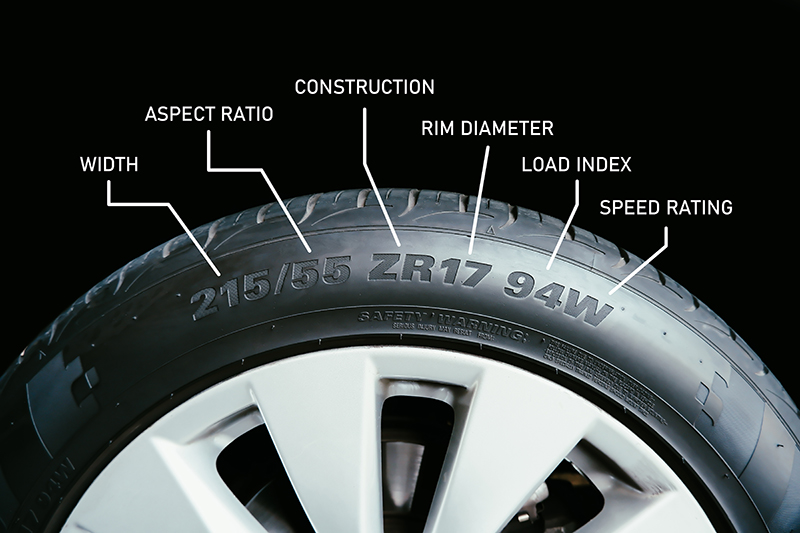
The sidewall is the vertical portion of the tire between the bead and the tread. It contains important information like tire size, load rating, and speed rating. Sidewall cracks or bubbles are red flags – they typically indicate structural damage that requires immediate tire replacement.
The Tread
The tread is the outer surface that contacts the road. Tread depth directly affects grip, braking distance, and wet weather performance. Most tires include wear indicator bars molded into the grooves. When the tread wears down to these indicators, it’s time for new tires and your wheels should be inspected at the same time.
The Valve Stem
The valve stem is a small but essential part – it’s the port used to inflate the tire and maintain air pressure. Valve stems can crack or leak over time, especially if they’re the older rubber style. Metal valve stems are more durable. A leaking valve stem is a common item and an easy fix, but ignoring it can lead to a flat tire.
The Inner Liner
The inner liner is a rubber layer inside the tire that acts as a built-in tube, keeping air sealed inside. Punctures that breach the inner liner require a proper plug-and-patch repair – not just a plug.
What Maintenance Do Tires and Wheels Need?
Routine care goes a long way. Rotate your tires every 5,000 to 7,500 miles to promote even wear. Check air pressure monthly – underinflation is one of the most common issues drivers overlook. Have your wheel alignment and balance checked at least once a year or any time you notice pulling or vibration. Inspect lug nuts after tire rotations and keep an eye on valve stems during regular service visits.
Visit Us in Ontario, CA
If you have more questions, the team at Infiniti of Ontario serving Ontario, California is ready to help. Stop by for a service consultation and keep your INFINITI rolling at its best.
Connect with us


- August 2026
- July 2026
- June 2026
- May 2026
- February 2026
- January 2026
- December 2025
- November 2025
- October 2025
- September 2025
- August 2025
- July 2025
- June 2025
- May 2025
- April 2025
- March 2025
- January 2025
- December 2024
- November 2024
- October 2024
- September 2024
- August 2024
- July 2024
- June 2024
- May 2024
- April 2024
- March 2024
- February 2024
- January 2024